
The City’s Invisible Sponge
How to optimally schedule district heating operation to support the electricity grid - by Giacomo Mastroddi and Marco Muttoni
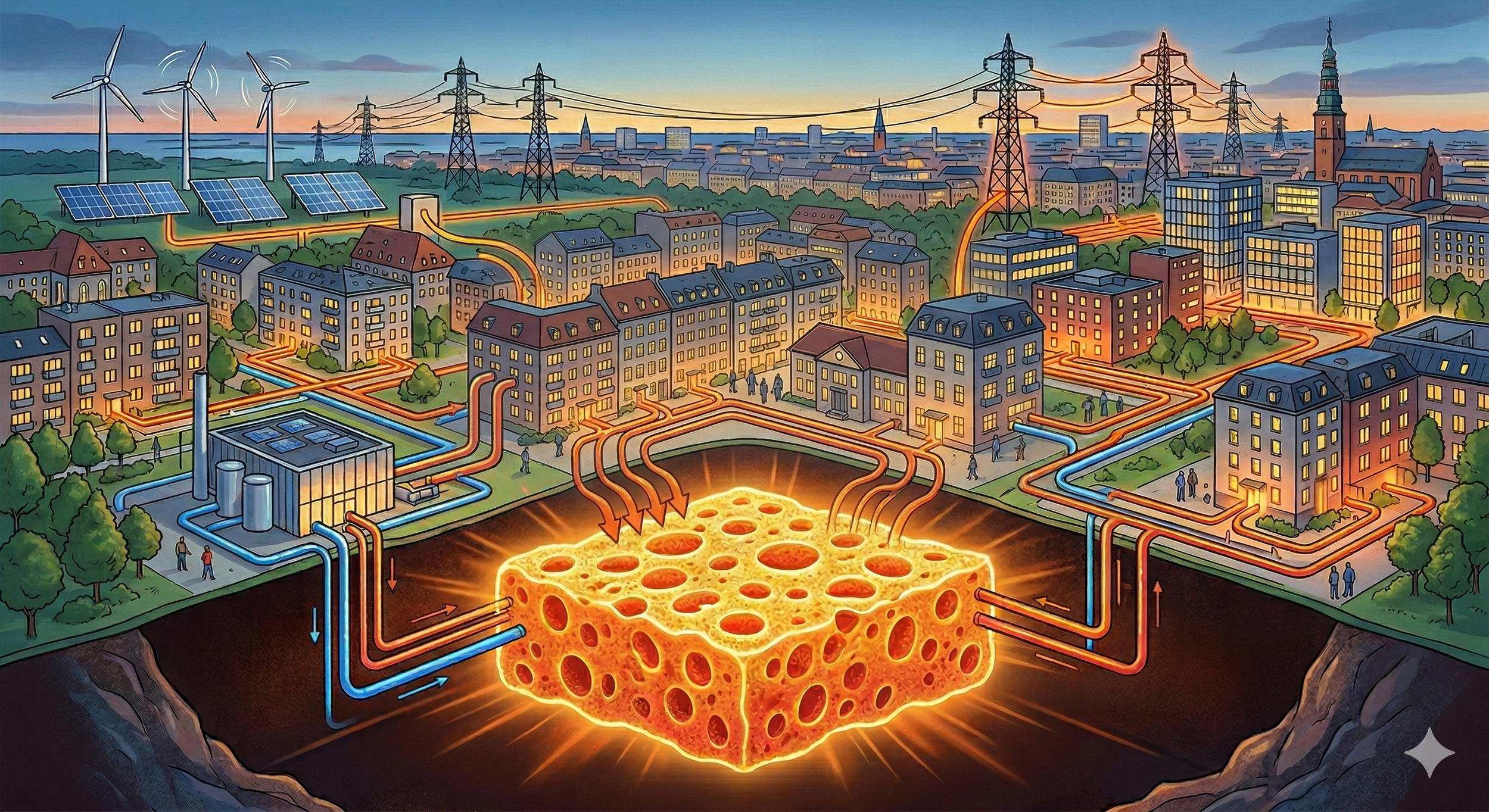
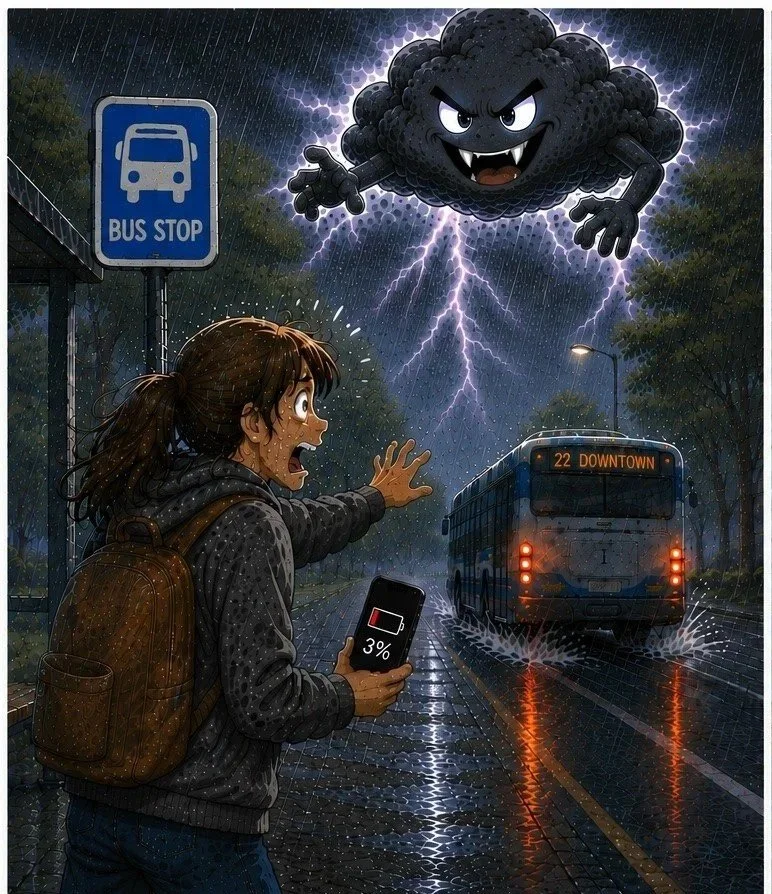
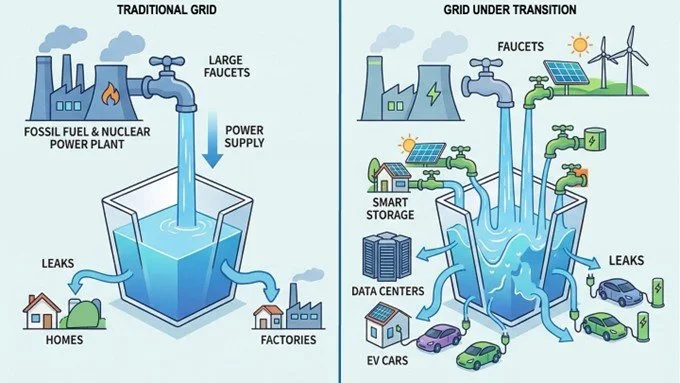
One day, without warning, the lights go out everywhere. Your fridge stops working. The train you are waiting for comes to a halt on the tracks. A blackout is much more than an inconvenience. It is the result of an imbalance between the energy generated and consumed in the electric grid. As more weather-dependent renewable energy sources are integrated into the grid, the flow of energy becomes increasingly prone to sudden changes, making mismatches more frequent. Today, we rarely notice this because fossil fuel generators are able to adjust their production to compensate for the imbalance and prevent the grid from collapsing. This service is highly lucrative, keeping carbon-intensive plants profitable and operational. Yet, this creates a clash of interests: we are relying on the very fuels we aim to phase out to keep our modern grid alive.
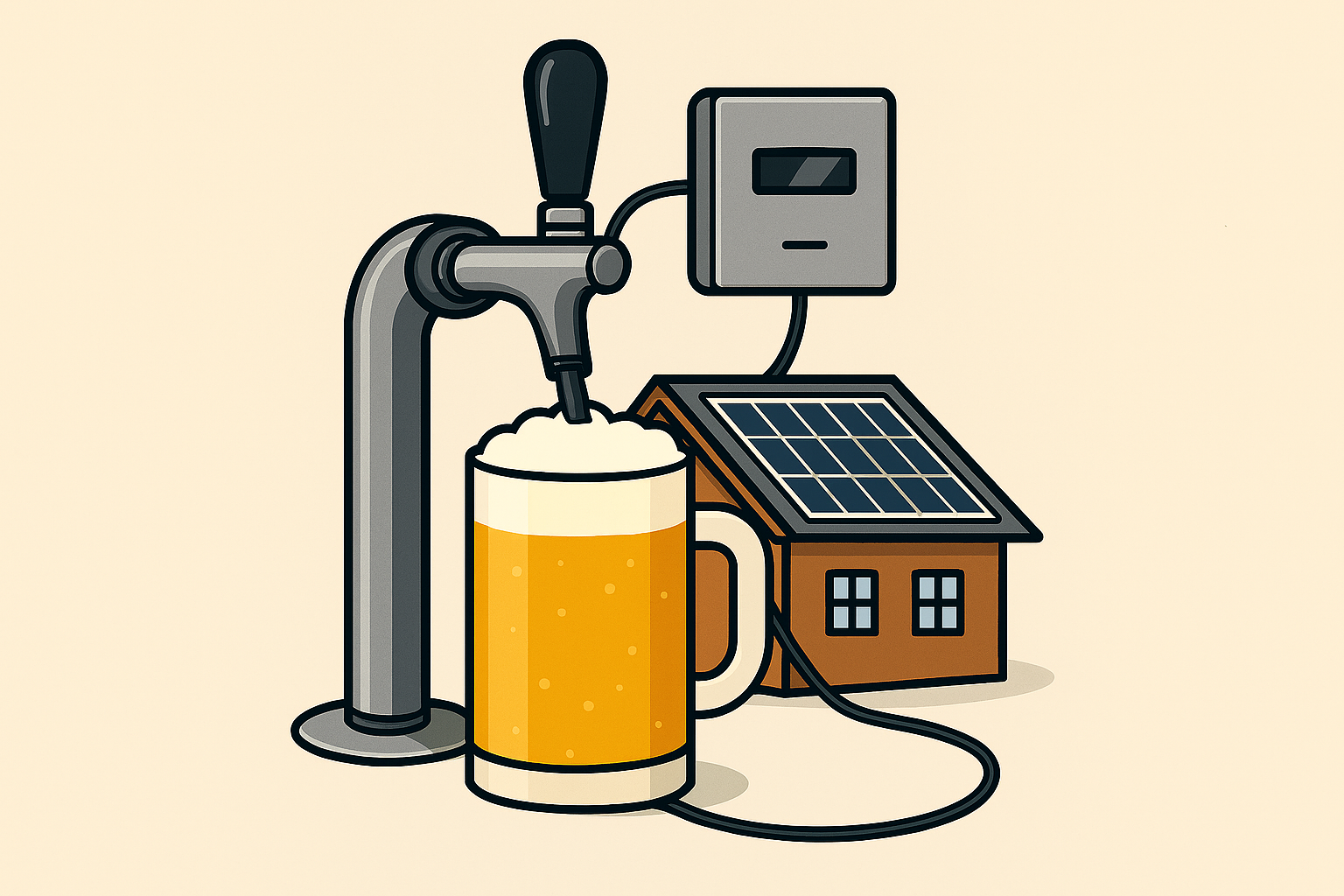
A promising alternative lies in the flexibility of district heating networks. These systems connect neighborhoods to a nearby industry that produces hot water to heat their homes with woodchip, oil or gas boilers. Today, these devices are being paired with storage tanks and electric-heating technologies, such as heat pumps or electric boilers. This allows them to become a buffer for the electric grid. Picture the district heating system as a smart sponge that holds energy in the form of heat. On one side, households want to squeeze the sponge at will to warm their homes. On the other side, when there is an electricity surplus the electric grid wants to fill the sponge. When there is a deficit, the grid wants the district heating system to run independently using the sponge. How do we determine if these requests are feasible and profitable for the district heating system, and fulfill them if so?
The heating devices and storage tanks need to be dispatched properly, which is achieved by our algorithm. It schedules when to fill the sponge and which devices to use based on predictive models of weather, energy prices, and grid conditions. By using pattern recognition, the algorithm stays ahead of changing conditions while respecting the physical limits of the network. For instance, if there is a surplus of energy, our algorithm would use the heat pump instead of the oil boiler to produce heat for the people. We have not discovered hot water, we have simply learned how to use it to keep the lights on. Our algorithm drives fewer emissions through efficient operation and a new revenue stream that translates into lower heating costs for consumers. Ultimately, this works towards avoiding blackouts without relying on a fossil-fuel intervention.
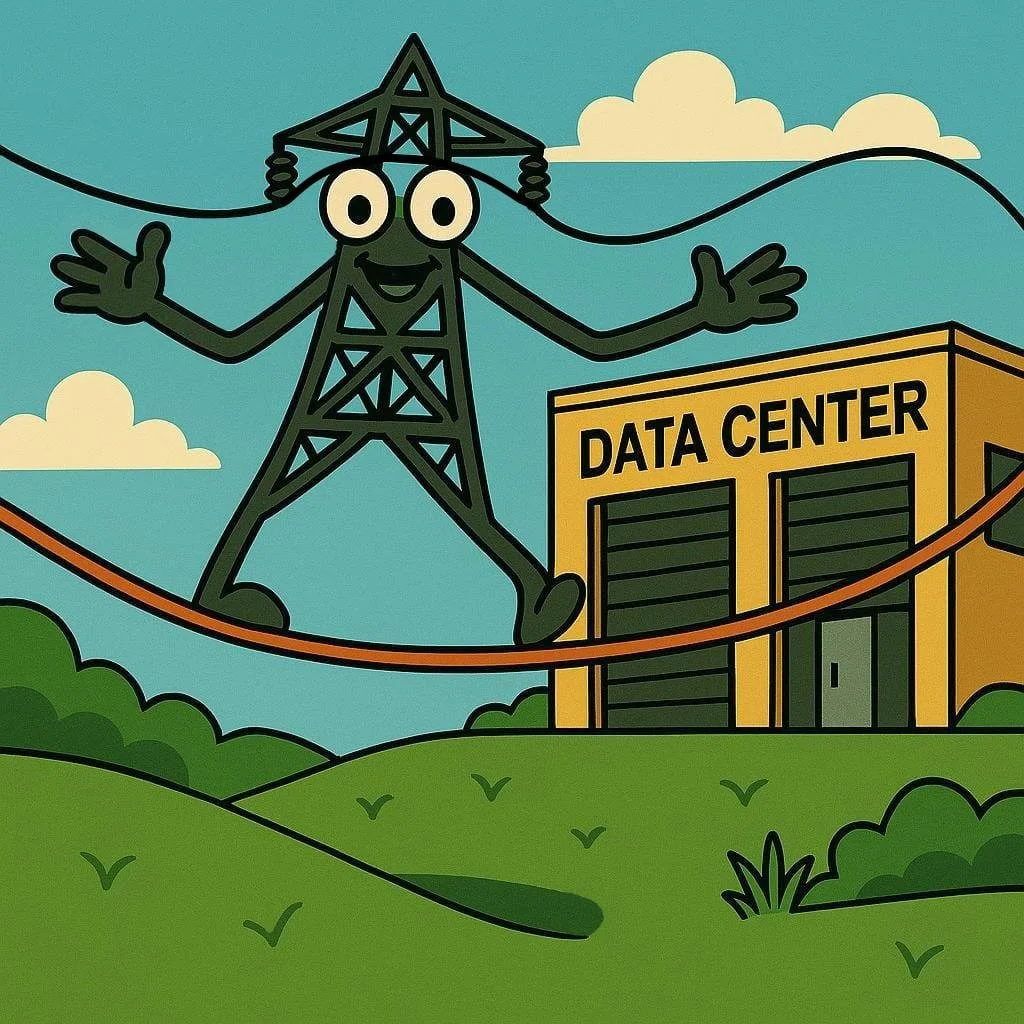
Text by Giacomo Mastroddi and Marco Muttoni; illustration created with Nano Banana Pro 






Planning around an unreliable grid - by Timothy Asare