
No need to wait
Learning from traffic management to speed up the energy transition - by Fabian Böhm

Imagine you are orchestrating the traffic through the Gotthard highway tunnel. You know that the tunnel is dimensioned appropriately for normal traffic, but now, holidays are approaching and the weather forecast for Ticino looks marvelous.
You could overcome the imminent traffic jams in front of the tunnel by selling tickets at different rates for different times of day, or by arbitrarily assigning time slots to cars in advance. A speed limit depending on the actual traffic volume might increase the throughput even more, but you would need traffic cameras and adjustable speed signs. With these ideas some questions remain unsolved: How do you deal with unforeseen circumstances influencing the traffic volume (e.g. a road north of the tunnel is blocked)? What if an ambulance or a fire engine must pass? How can you predict expected travel times? And how can you distribute the delay fair among cars? No matter which measures you choose, there does not seem to be a one-fits-all solution.
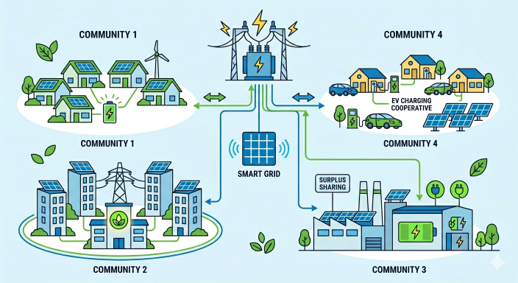
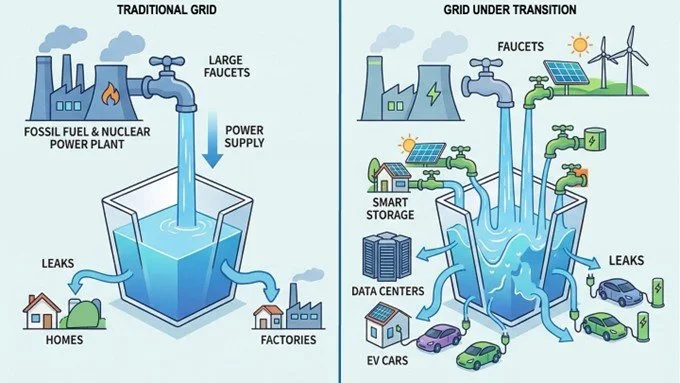
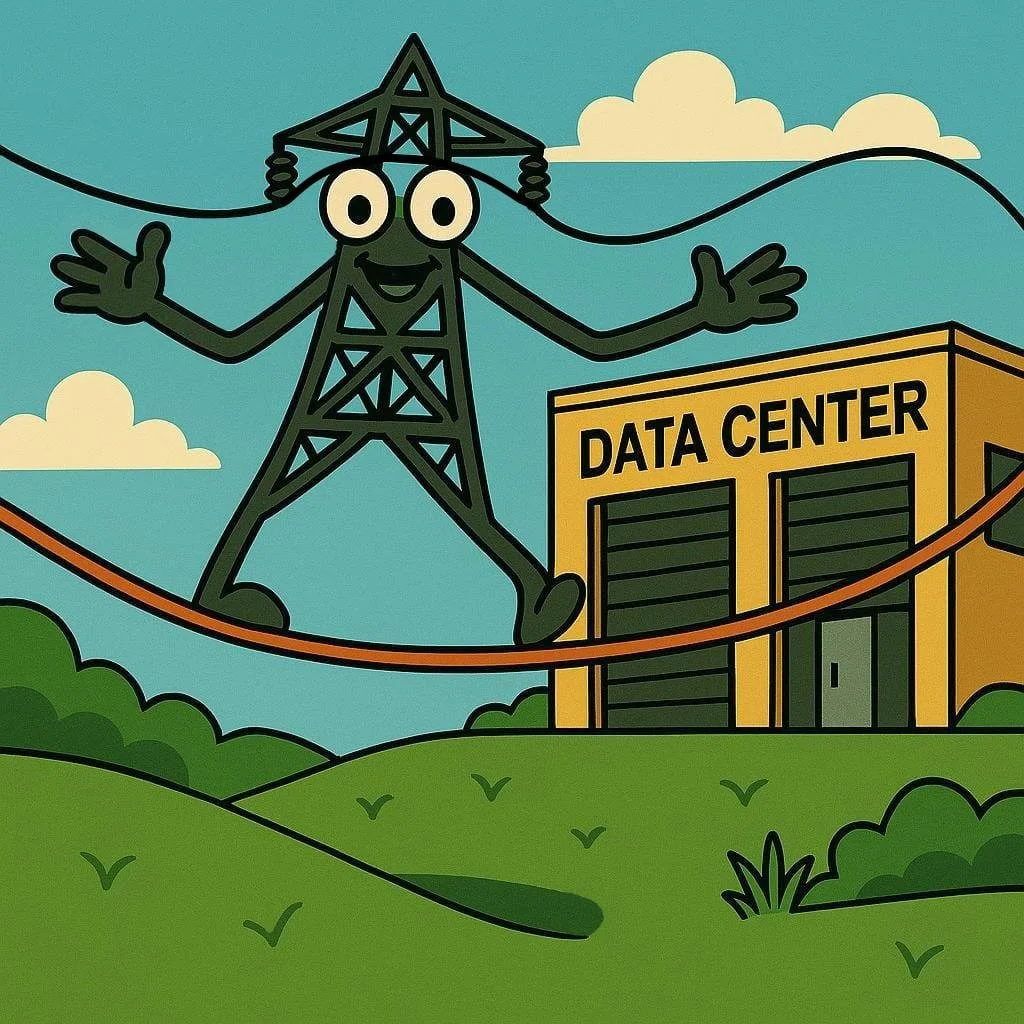
The described scenario is an analogy to congestion management in the electricity grid, in the example above cars represent electric power and the tunnel represents the grid itself - cables and overhead lines. Traffic cameras correspond to sensors in the grid and adjustable speed signs could be implemented as adjustable power limits, which allow the grid operator to curtail the consumption or production of flexible customers. Flexible customers own an energy storage, which allows them to not only draw power from the grid but also from their storage, making their consumption from the grid flexible.
As we shift towards a renewable energy system, a growing number of large flexible power consumers such as heat pumps and electric vehicles are supplied from the electricity grid, rather than from fossil fuels. This increases the load on the grid infrastructure and eventually leads to significant load fluctuations and grid congestion, similar to traffic jams. How can we manage the imminent congestion in a high-load time period efficiently and fair? We cannot simply bury bigger cables with higher power ratings in the ground: This is too expensive and it cannot be done fast enough to match the speed at which we want to connect new heat pumps and PV systems to the grid.
Today we assume consumers to be inflexible, therefore we always consider the highest load scenario when dimensioning the grid. If we could monitor the actual amount of consumption and remotely control flexible consumers, we could increase the average energy throughput of the existing grid by actively managing the consumption during high load time intervals. Based on the assumption that monitoring and remote control systems are given (analogue to dynamical speed limits), we develop an algorithm that makes a higher energy throughput in the existing grid possible while enforcing grid limits at any time, and spreading the power curtailments fairly among all flexible consumers.
Going back to your role as tunnel traffic coordinator, the algorithm would help you by setting an individual speed limit for every single car based on the observed traffic volume in the tunnel, while maximizing the number of vehicles passing through the tunnel per hour and minimizing the traveling duration of every individual car. The algorithm furthermore distributes speed reductions among all road users as fair as possible. Therefore, traffic jams will be kept to a minimum, allowing people to enjoy their holiday.
Text by Fabian Böhm; illustration by chalabala 







Guaranteed safety even in uncertain environments - by Jair Reyes Gutierrez