
How to walk the electricity slackline
Mitigating the detrimental effect of AI on the power grid - by Jethusan Jeyaruban
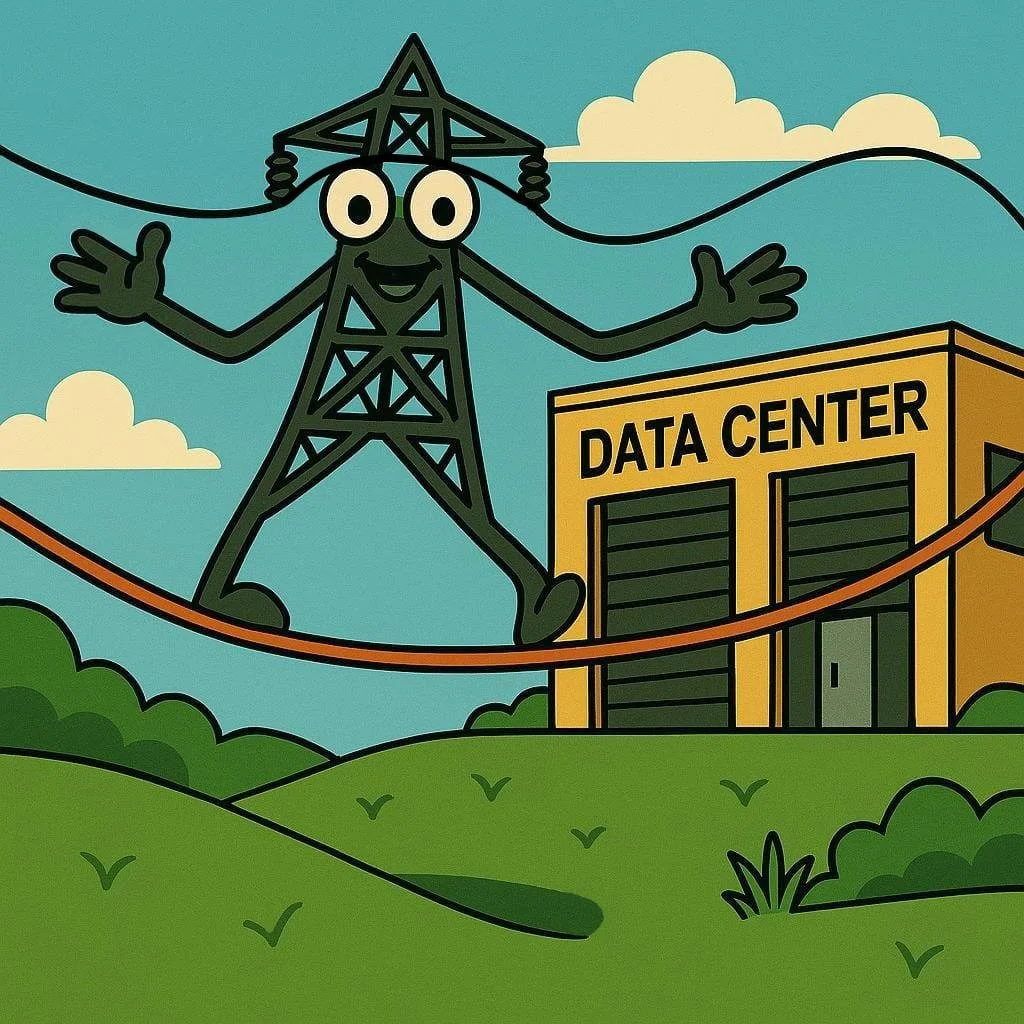
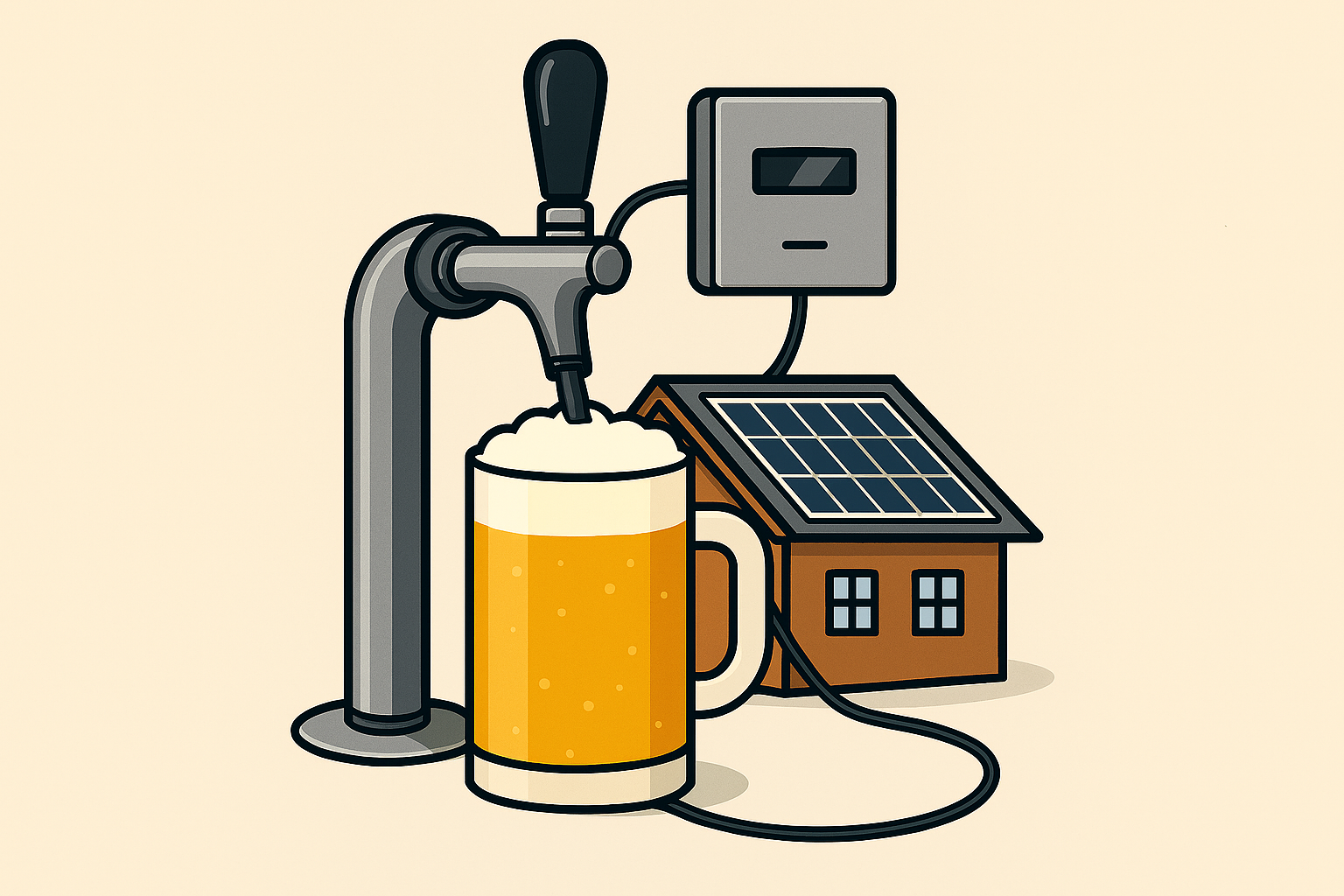
To stay in balance on a slackline, you have to keep the same weight on the left and right sides of it. If your hands just flutter a little bit, you are still in control. But if your legs start to sway from side to side, it gets tougher to keep the position. In the end, you could even lose the balance and fall from the slackline.
This is similar to the power grid, where demand and supply have to be balanced. Small changes in the power demand are unproblematic, whereas larger changes can cause dangerous oscillations. In fact, they can destabilise the grid and even lead to power outages since demand and supply can no longer be balanced.
Keeping the balance on a slackline is already quite challenging, but it gets even tougher when you are trying it on a windy day. This is very similar to power systems when there are customers with a large fluctuating power demand such as data centres. When AI models are trained and used in data centres, large repeated demand fluctuations arise. They occur within seconds and can correspond to the power demand of more than 4’000 average households [1, 2]. In the future, this problem becomes more urgent because the usage of AI tools (for instance to generate images for blog posts...) will increase.
To better understand the oscillations induced by AI usage on the grid, we first perform a theoretical mathematical analysis in a test system. Then, we run simulations on a larger and more complex system to identify possible measures to keep the grid stable. Thanks to our investigations, power grids can be operated in a safe and balanced way while still allowing the full potential of AI to be unlocked - even on a windy day.
Text by Jethusan Jeyaruban; illustration created with Microsoft Copilot





Planning around an unreliable grid - by Timothy Asare