
Behind Ride Fares
Learning taxi prices through interactions - by Zhiyu He
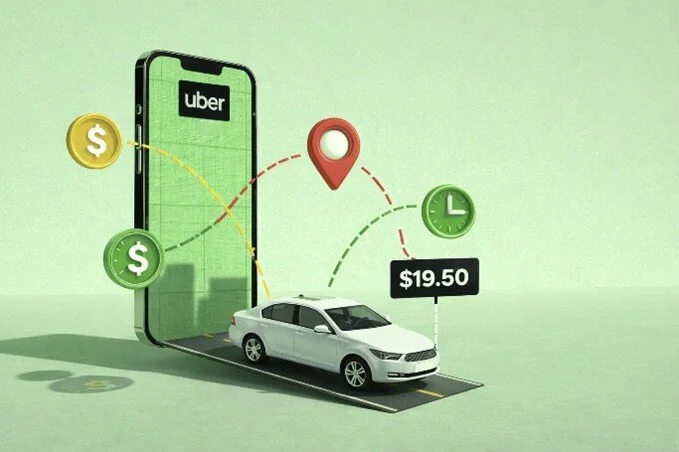
Imagine you design the app for a booming mobility start-up offering an Uber-style taxi service in Zurich. Your task sounds simple: determine the daily service prices in this app, including base fares and per-kilometer charges.
Zurich is full of residents, rushing commuters, and curious visitors. As such, travel demand is always changing and is hard to model accurately. Initially, you may try a simple fixed formula: high demand leads to high prices. But there is a catch.
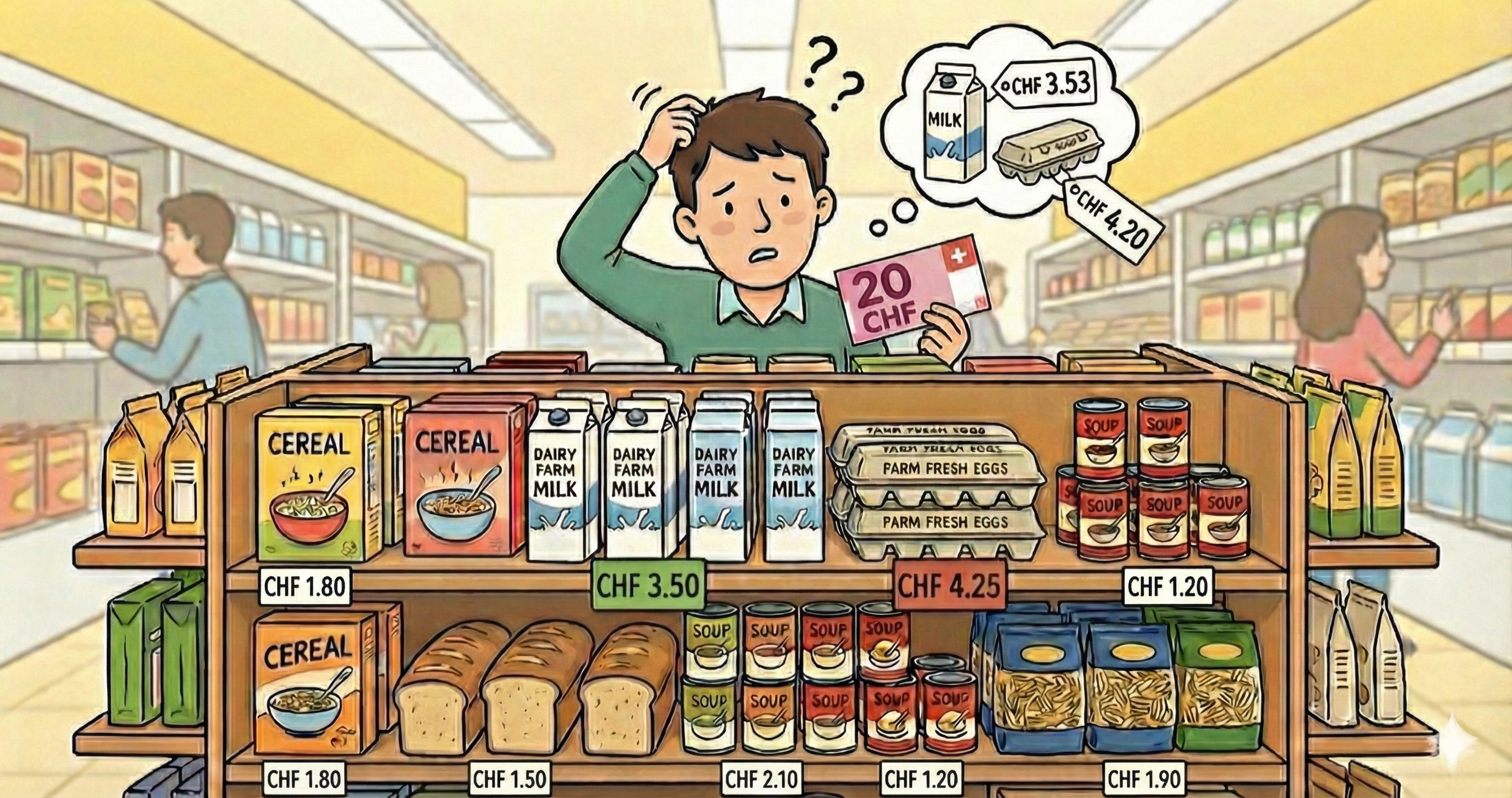
Your mobility start-up is a major market player. The prices in your app do more than adapt to demand; they actively shape it! In fact, prices will affect who chooses to travel, when they travel, and whether they travel at all. Your initial formula can thus be rigid for the vibrant Zurich environment. Instead, you want to move from reacting to shaping and dealing with unknown variations in demand.
At its core, this problem involves the interaction between a decision-maker and an uncertain environment. Your app determines service prices of the mobility start-up, whereas Zurich’s travel demand evolves in response to these prices. This evolving demand, in turn, influences future pricing decisions. Decisions and uncertainty are tightly coupled. Today’s prices affect tomorrow’s demand, which again shapes the prices chosen the day after.
Our research focuses on a general iterative approach to navigate through such decision-uncertainty interaction. In the ride-hailing example, each day, you can update service prices based on past records of prices and demands. Crucially, this process is guided by how sensitive the demand is to your prices — a quantity learned from accumulated interaction data. Results? A much higher revenue for your start-up, better fulfillment of travel requests, and a smoother travel experience in Zurich.
Text by Zhiyu He; illustration from unsplash.com, fine-tuned with Gemini 








Cooperative game theory for energy sharing in energy communities - by Saurabh Vaishampayan