
Getting away with mistakes
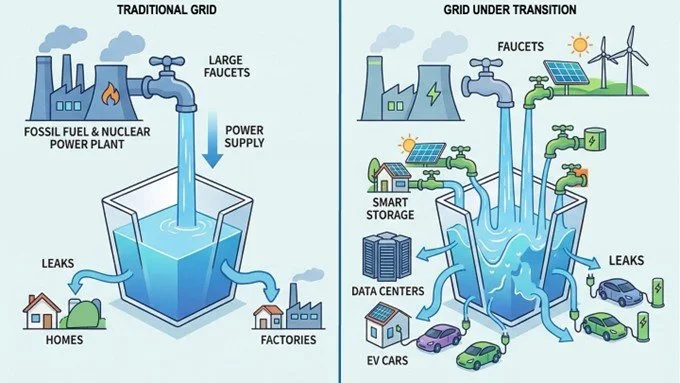
And applying this to the energy transition - by Sven Neubauer

Imagine playing the cello in an orchestra. You focus on hitting the correct notes and staying in rhythm. Suddenly, you need to sneeze, and you lose track of the beat. To cover it up, you must follow the conductor again to resynchronize with the ensemble. This scenario illustrates one of the greatest challenges for the energy transition. Instead of a musician, you are a solar generator. Your stage is the electrical power grid, and the conductor you follow is the wave-like voltage of the network. Now, as more renewable generators join the ensemble around you, it becomes harder for you to resynchronize with the network after an unexpected voltage breakdown.
In an orchestra, stage layout impacts your ability to catch the beat again. An architect knows how to optimize the sound or lighting on stage, providing structural support for you to find your place in the music.
In electricity, there is no architect yet who could improve the synchronization ability of generators by modifying the grid layout. Thus, the impact of such modifications, for example, the construction of a new line, must be examined.
To study the impact of grid layout on synchronization, we simulate an electrical network multiple times, introducing changes to the grid each run. We model an outage and then evaluate the synchronization of the generators for the given setup. Following the orchestra analogy, we would repeatedly let you perform on a new stage, force you to sneeze, and check whether you manage to find the rhythm again. The results indicate clear benefits for the synchronization ability of generators when adding electrical components to the grid in the right locations. These measures can mean keeping solar farms online and the orchestra playing without errors.
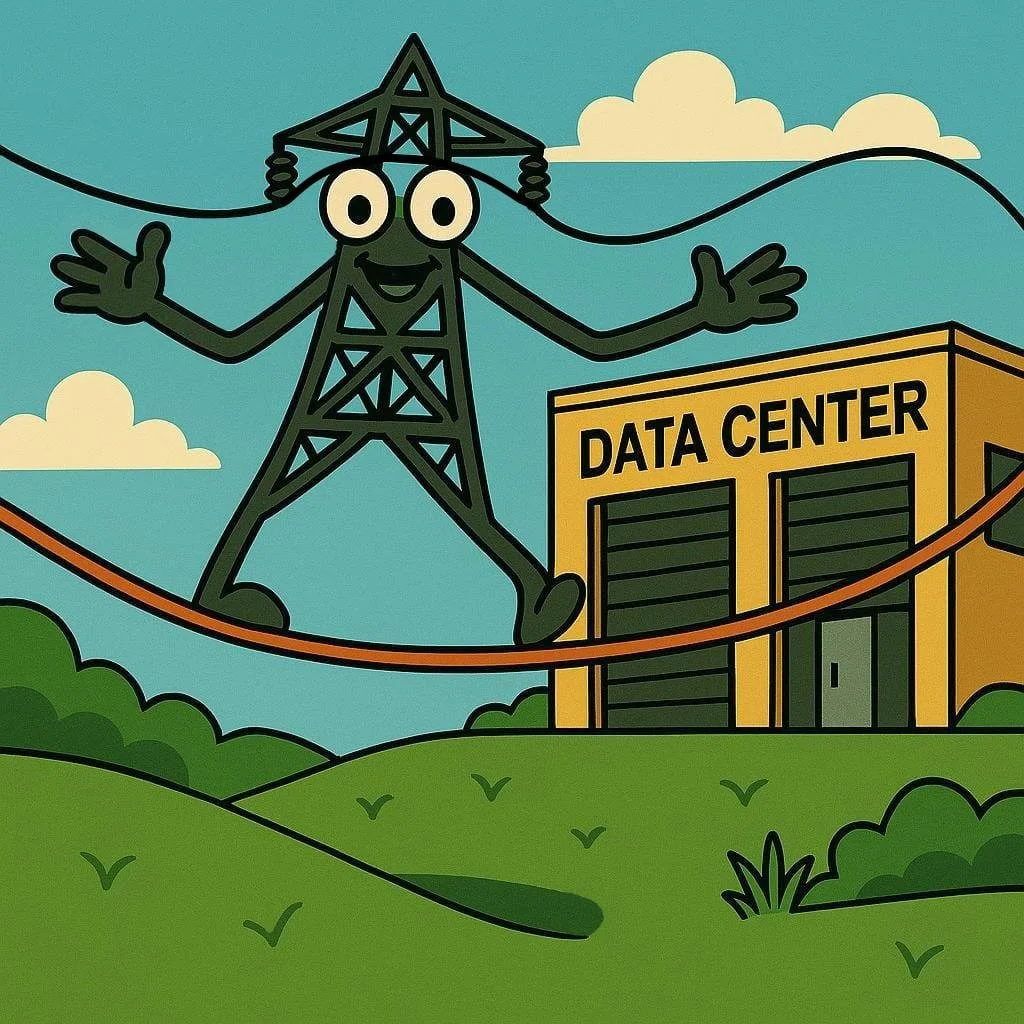
Text by Sven Neubauer; image created with ChatGPT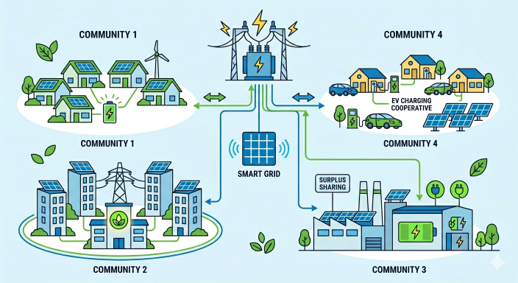



Learning to adjust a control algorithm without giving up what we already know - by Jonas Ohnemus