
First, Solve the Wrong Problem
Controlling complex systems by making them look simple - by Vishnu Varadan
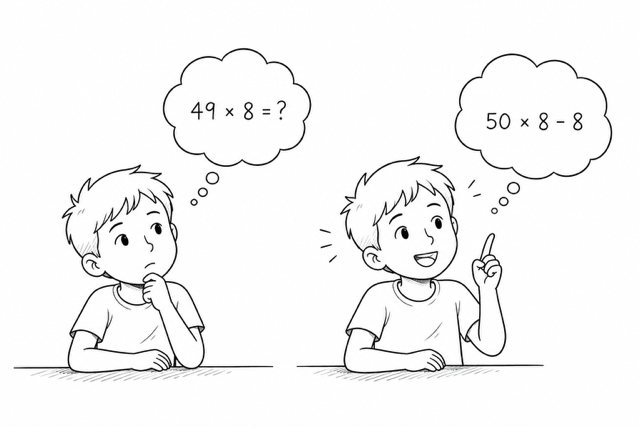
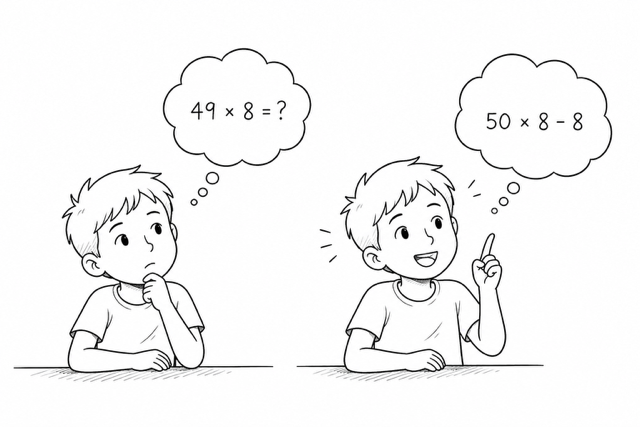
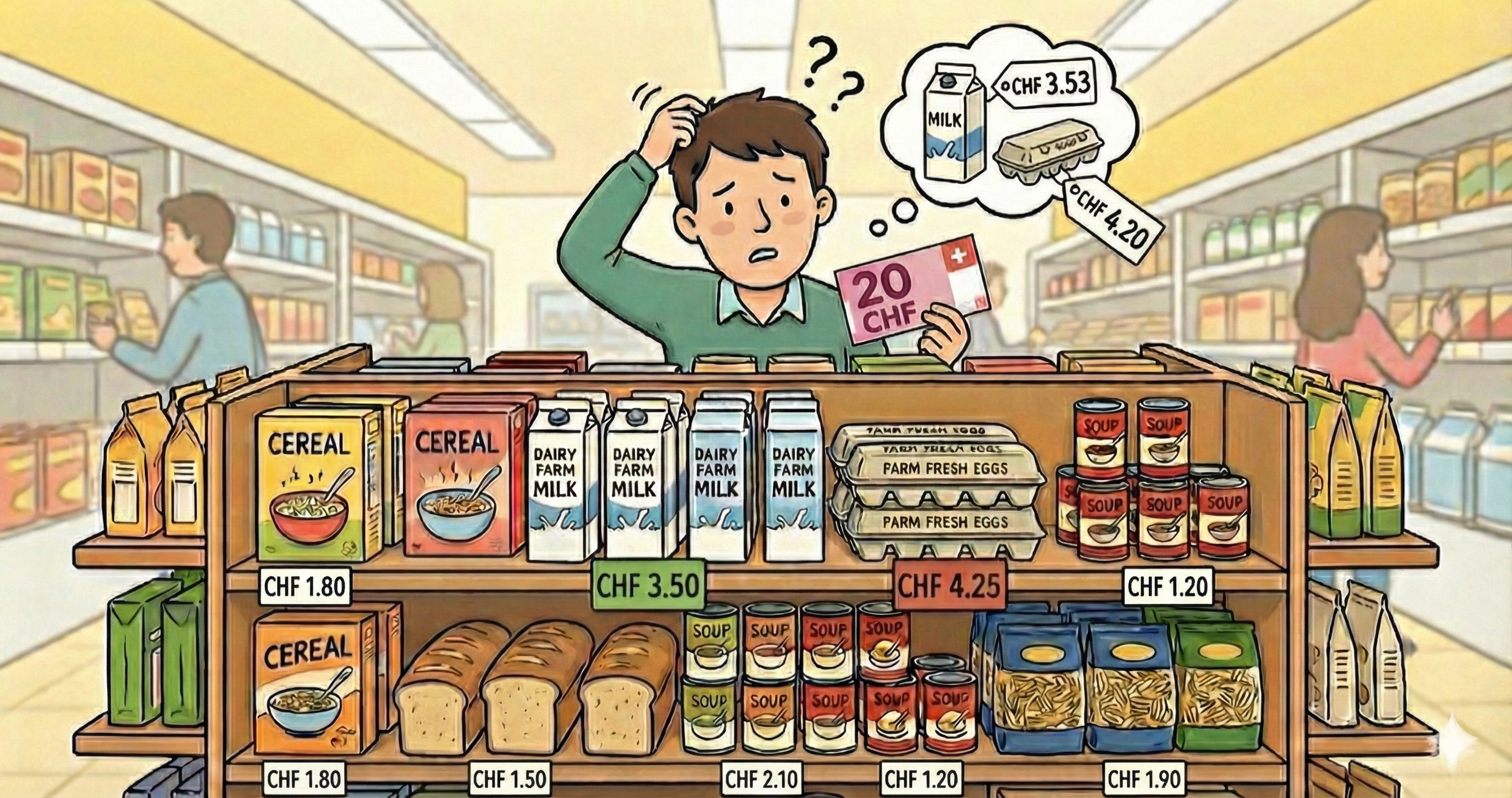
As a 9-year-old, I had two big worries in life: not having enough RAM to play GTA San Andreas without my PC crashing, and learning to multiply two-digit numbers in my head. The solution to the first problem came 5 years later with a new PC. For the second problem I thought I had found a neat trick.
If I needed to multiply 49 by 8, I wouldn’t do it directly. I would round 49 up to 50, compute 50 × 8, (which is much easier) and then subtract 8 from my solution. It worked beautifully, but it took me a few more years to realize I hadn’t discovered anything new, and that I was just using a basic property of multiplication.
Then came decimals. Fractions already felt abstract, and decimals didn’t help. This time, the trick was different: ignore the decimal point, multiply as if the numbers were whole, and then place the decimal point back at the end. Looking back, both tricks shared the same idea: when a problem is hard, turn it into one you already know how to solve. It turns out this idea extends far beyond elementary mathematics.
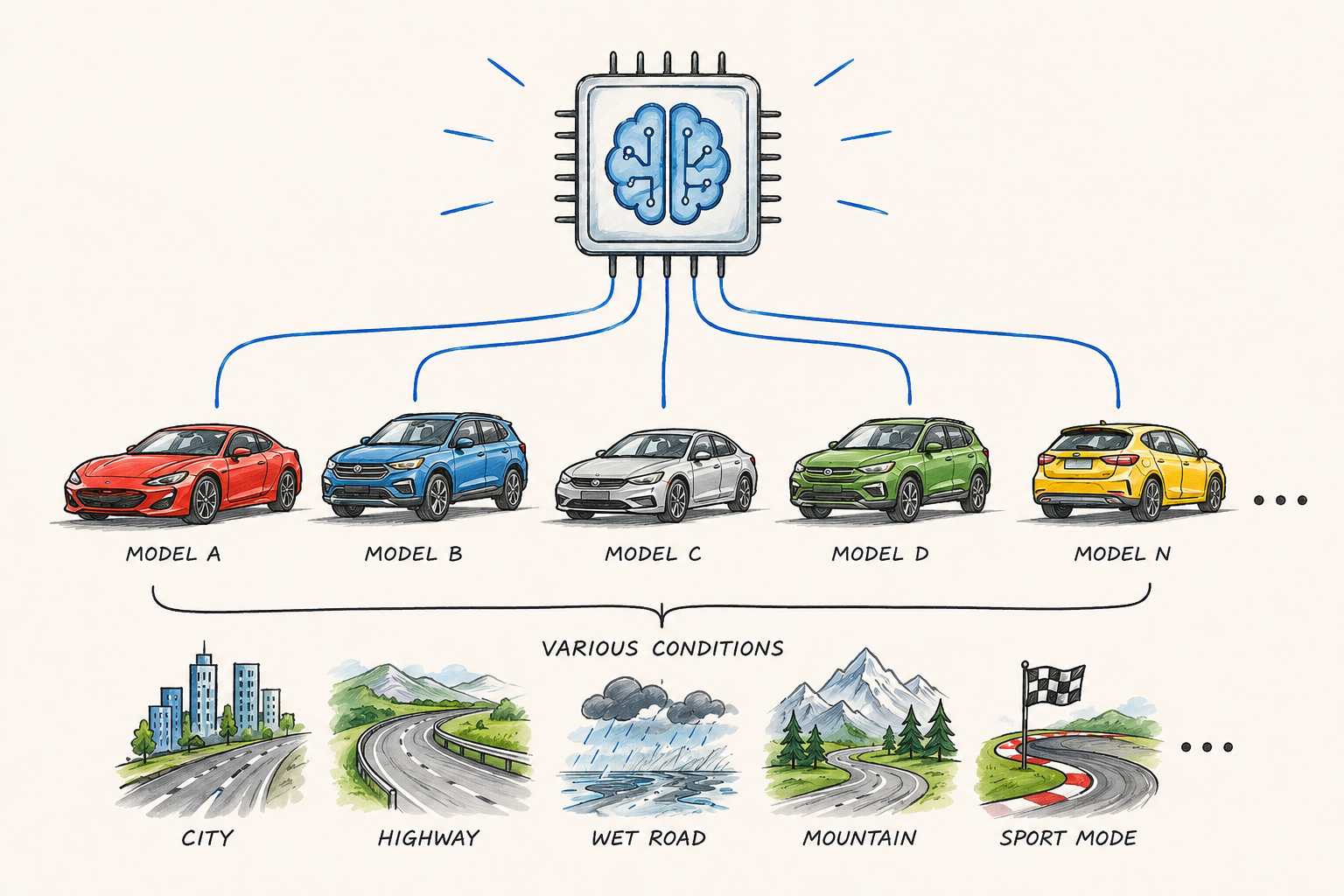
In engineering, we study systems that change over time like cars, robots, and more. Some of these systems are linear, meaning their behaviour is simple and predictable. These are more straightforward to analyze and control. Most real systems, however, are nonlinear. Their behaviour can be complex and unintuitive, much like decimals once were. So the challenge remains the same: how do we turn a difficult problem into an easier one?
One approach is feedback linearization. Much like turning 49 into 50, we identify the parts of a system that make it nonlinear and counteract them using carefully chosen inputs. What remains behaves like a linear system, which is far easier to control. Another approach takes a different route. Instead of modifying the system, we change how we represent it. This is the idea behind Koopman operator theory. Like ignoring the decimal point, we move the problem into a different space where the dynamics look linear. We solve the problem there, then map the result back.
Both approaches simplify complexity, but in different ways: one changes the system, the other changes our perspective. Whether the two can be combined effectively is still an open question, which I hope to answer before the end of my thesis!
Text by Vishnu Varadan; illustration generated with ChatGPT







Guaranteed safety even in uncertain environments - by Jair Reyes Gutierrez