
An AI you can trust
Guaranteed safety even in uncertain environments - by Jair Reyes Gutierrez
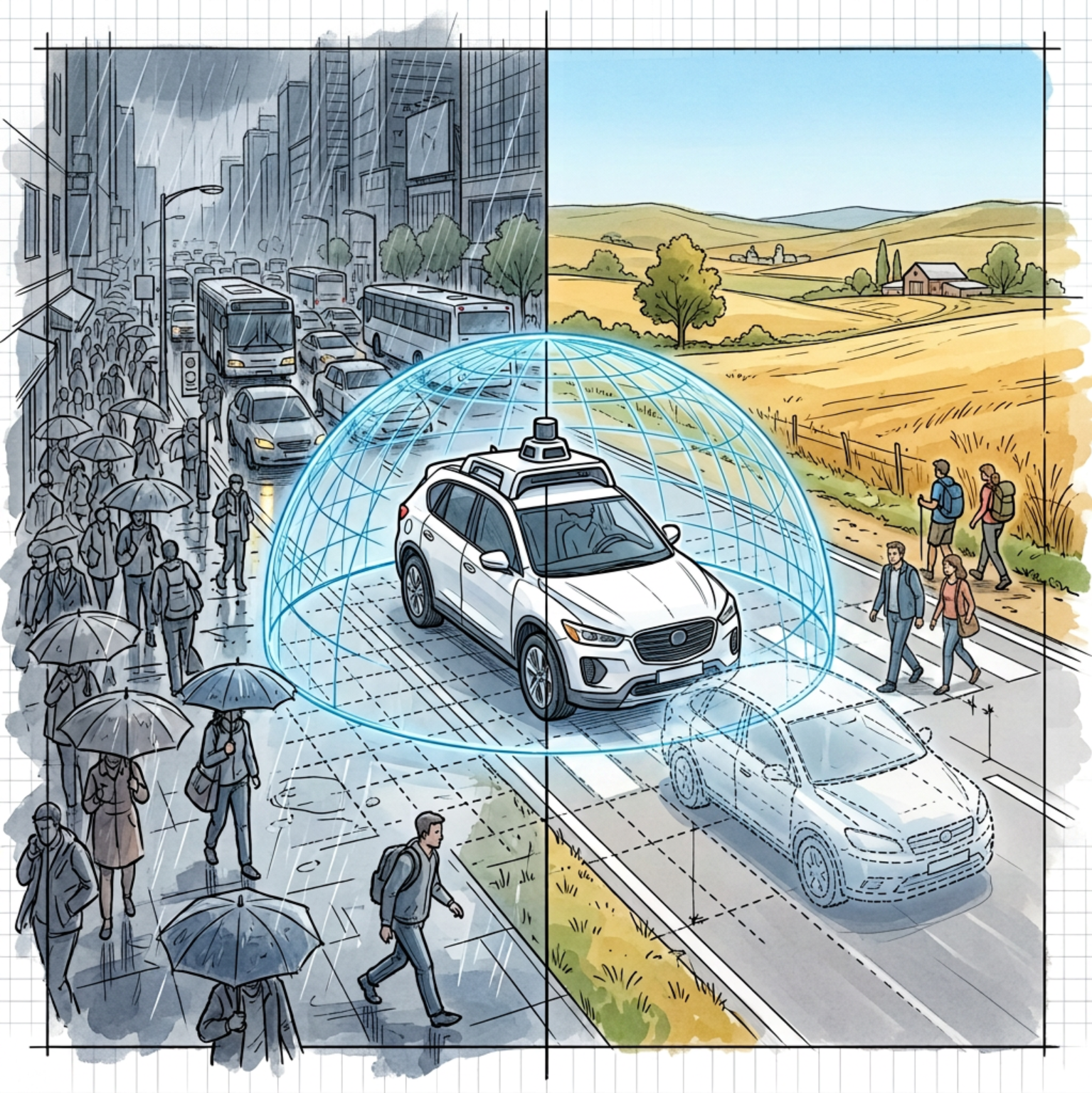
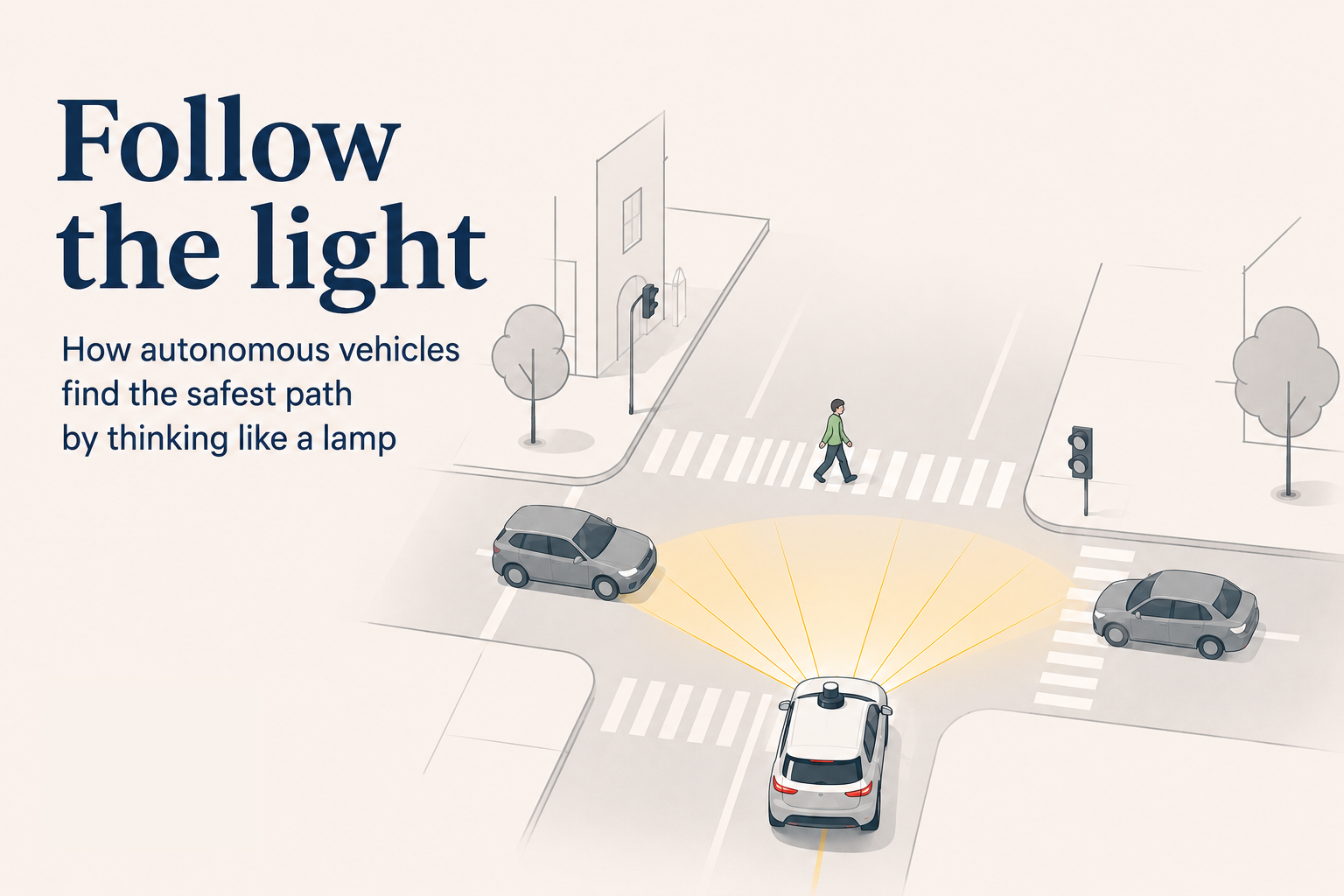
Imagine yourself in a driverless car during peak-hour traffic. You need to trust that your vehicle can juggle multiple complex rules at once: staying in its lane, obeying speed limits, tracking pedestrians, all while getting you to your destination on time. In a predictable lab environment, an AI driving your car can follow these rules perfectly. But on real streets, an unpredictable pedestrian or a sudden delay requires the vehicle to react safely in a fraction of a second. A core challenge in modern control is proving how much everyday unpredictability a system, in this case a car, can handle, before we put it on the road.
Checking the simultaneous satisfaction of all these complex rules is incredibly difficult. To make this manageable, engineers use safety margins to measure not just if a rule was fulfilled, but by how much.
Avoiding a collision by two meters is vastly different from missing it by ten centimeters. While we have mathematical tools, namely Spatiotemporal Robustness, to measure exactly how an autonomous car balances spatial safety margins against the ticking clock in an ideal world, the real world is never perfectly predictable.
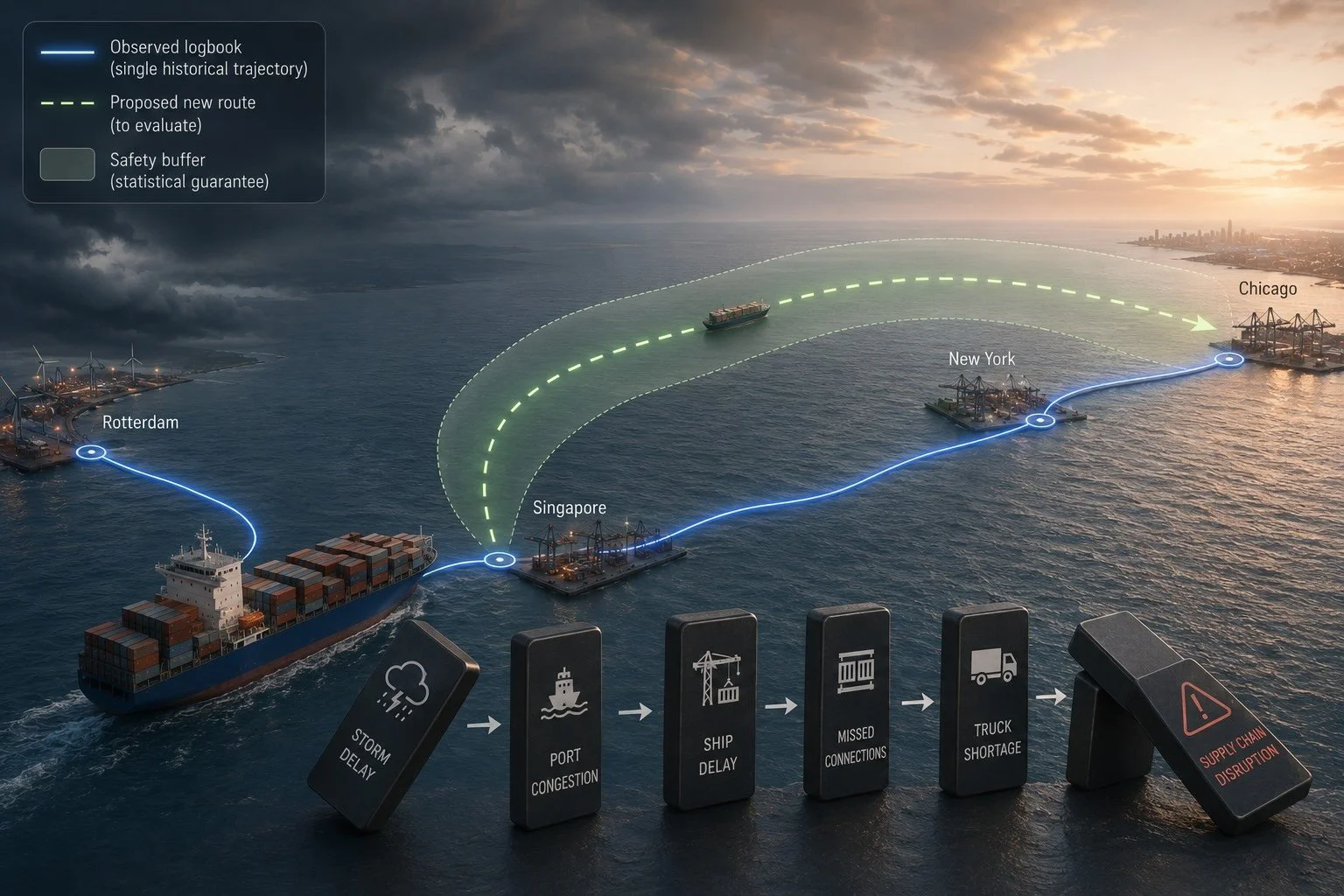
That is why in our research we connect these mathematical tools to the uncertain reality of the streets. Because the real world is infinitely unpredictable, trying to guarantee absolute safety for every impossibly extreme future event is not only computationally hard but also forces the car to act overly cautious. Instead, we use a data-driven approach. By leveraging historical driving data, we abandon the pursuit of absolute worst-case certainty and instead extract the physical and timing margins that the vehicle is guaranteed to maintain with a specific high confidence.
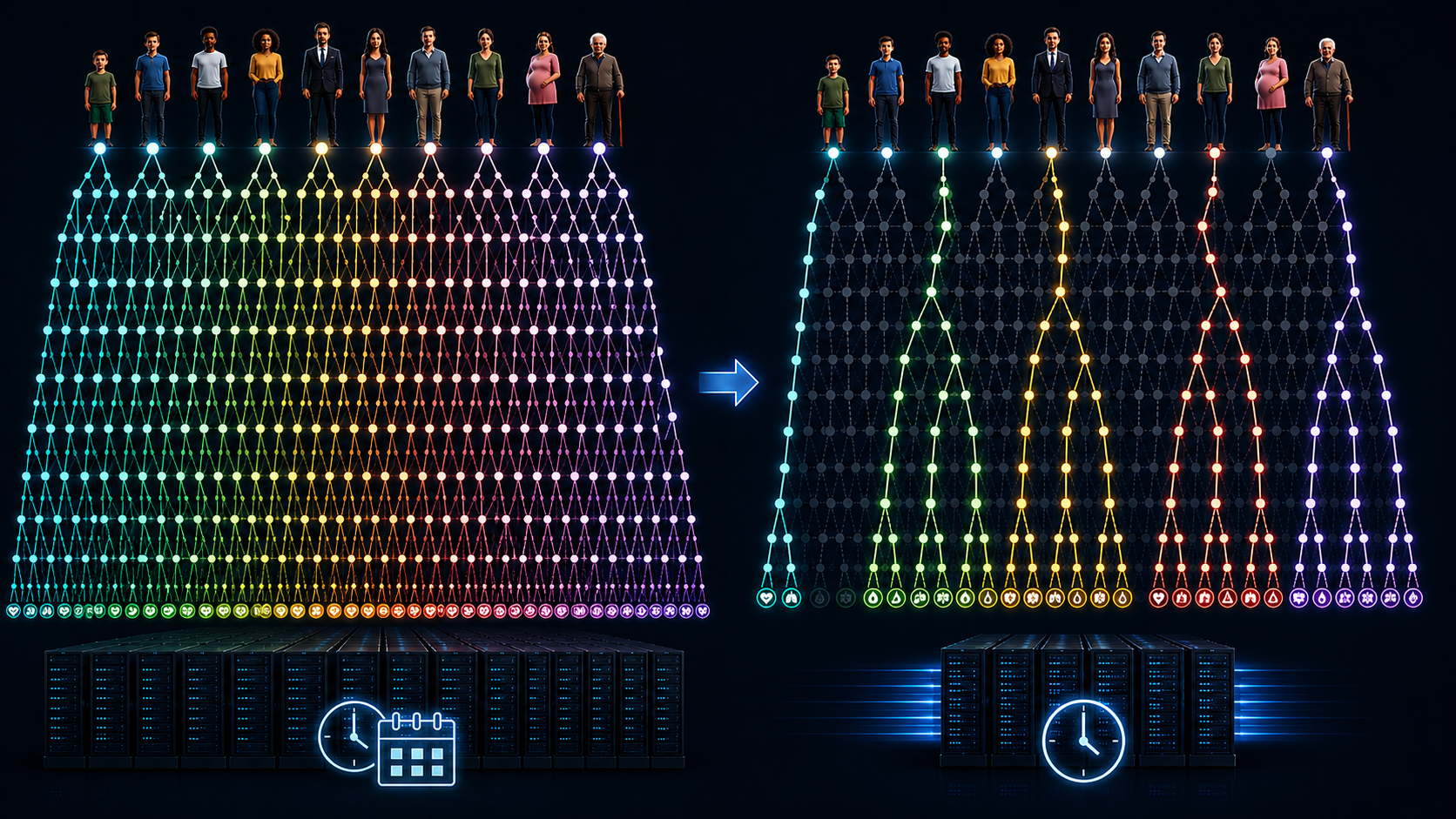
However, doing this presents a practical challenge: the more precise and therefore the less overly-cautious the car behaves, the more computing power is required. Our research navigates this exact trade-off by providing three distinct algorithmic solutions rather than a one-size-fits-all approach. Depending on the available computational budget, we can choose to deploy a fast solution that safely under-approximates or dedicates more computation to extract a highly precise safety margin. By calculating exactly how much error an AI can resist, we ensure the vehicle avoids unnecessary hesitation and reacts safely, paving the way for smooth, confident autonomous systems we can truly trust.
Text by Jair Reyes Gutierrez; illustration generated with GPAI









Guaranteed safety even in uncertain environments - by Jair Reyes Gutierrez