
When power flows both ways
How local reactions can help future grids stay in balance - by Marius Baumann
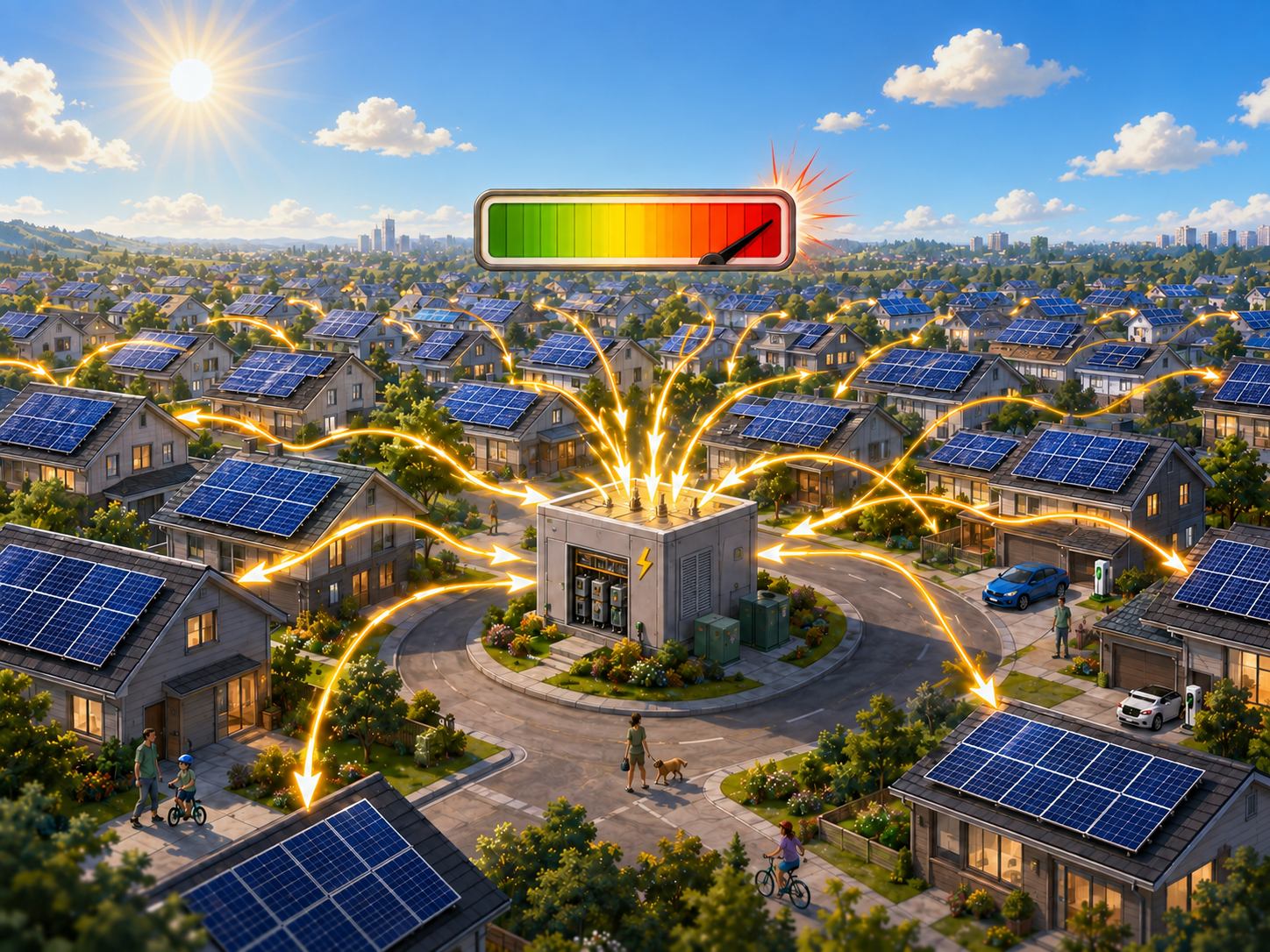
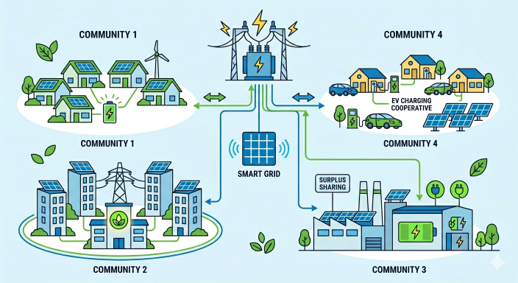
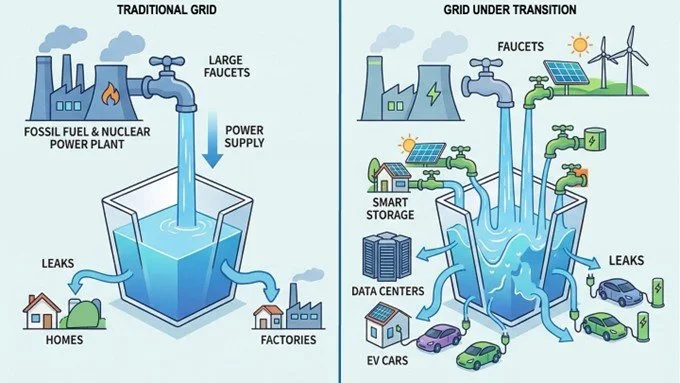
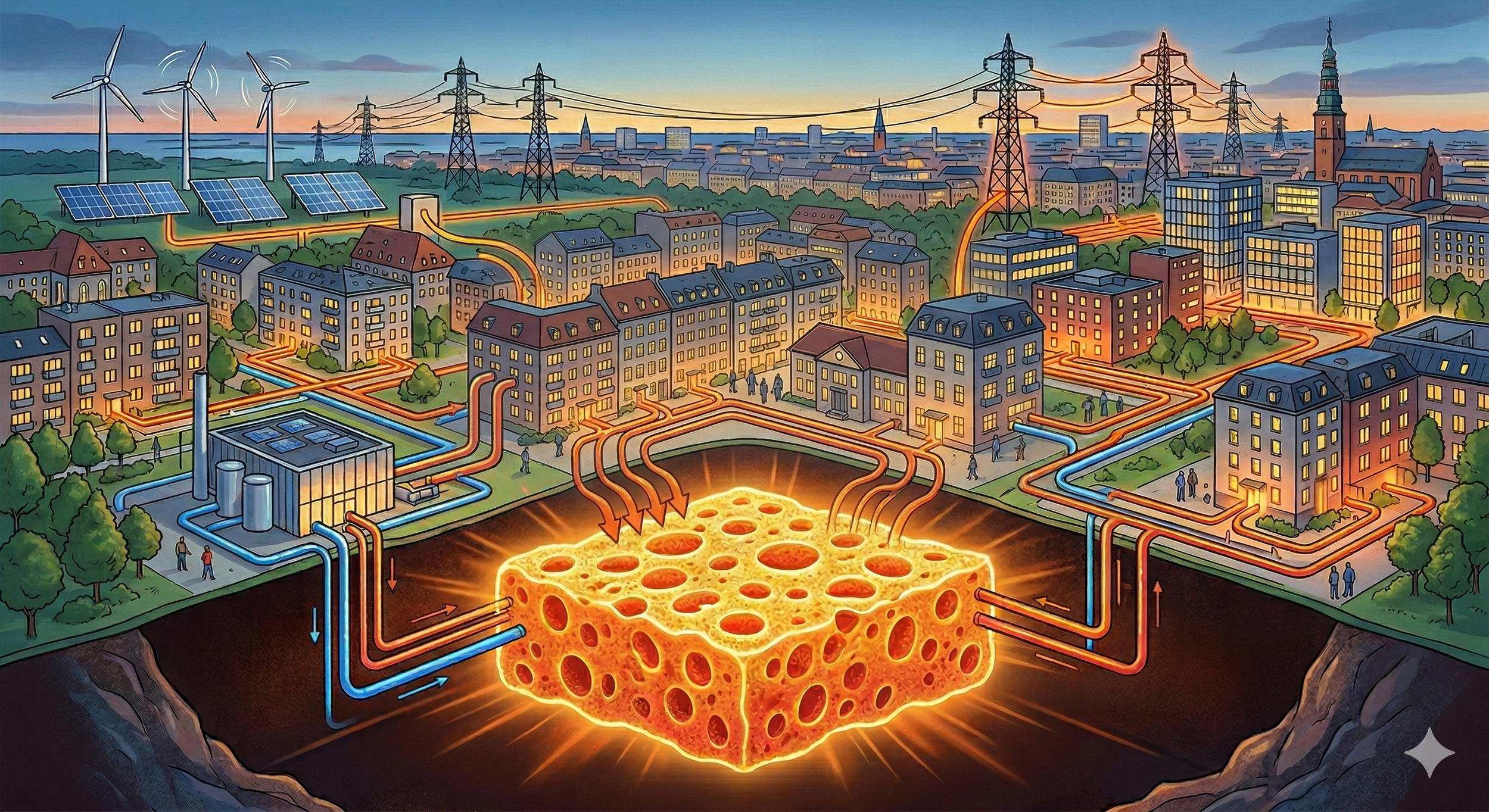
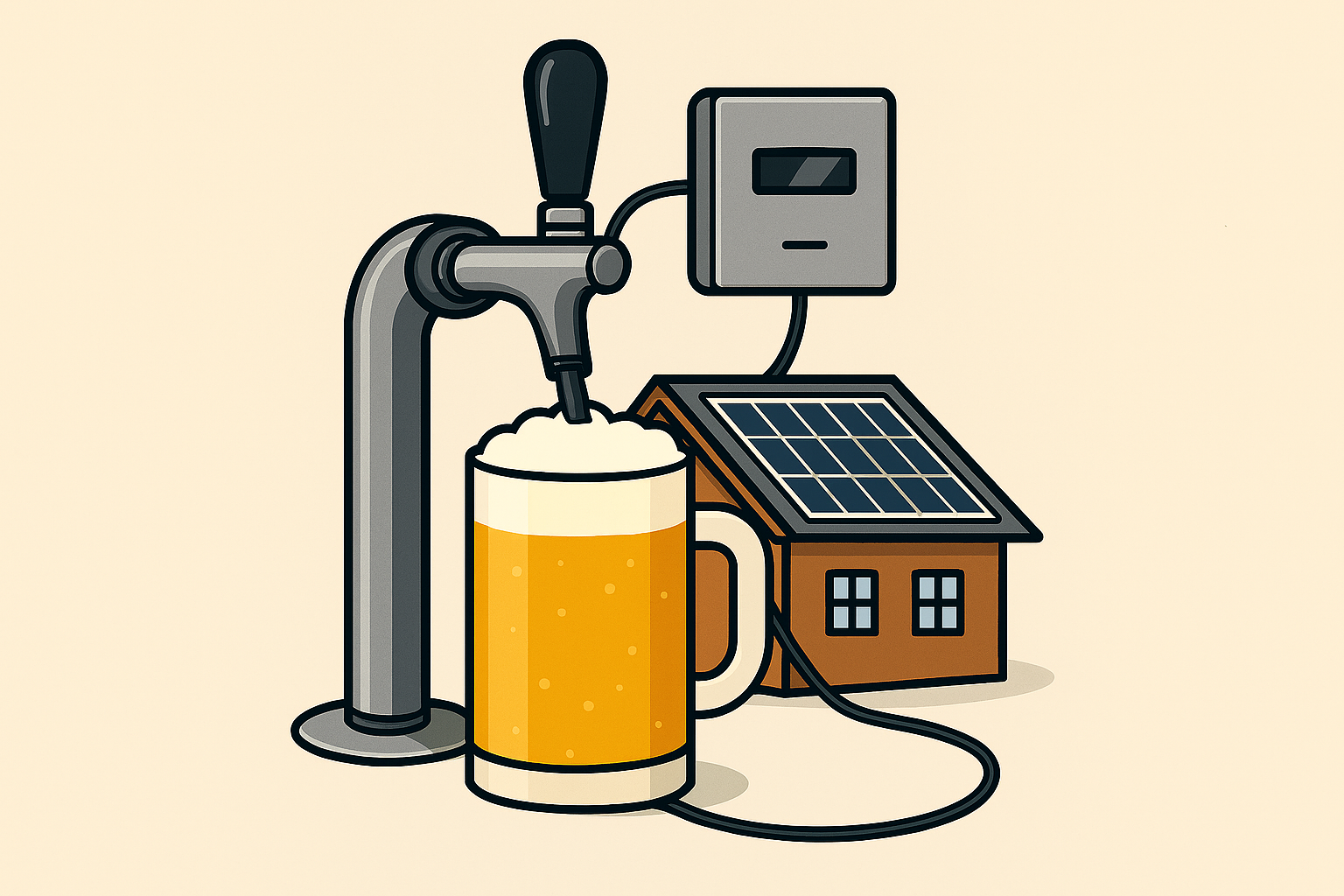
Imagine a neighborhood where many houses have solar panels on their roofs, batteries in their garages, and electric cars charging in the driveway. On a sunny day, these houses may produce more electricity than they need, so extra power can flow back into the grid. That sounds like good news, and it is. But when many homes feed in power at the same time, the local grid may receive more electricity than it is ready to handle.
In a power grid, electricity production and consumption have to stay balanced. If too much electricity is fed in at one moment, or too much is used at another, it can stress equipment or make devices disconnect. The grid has to manage these imbalances before they grow into larger problems.
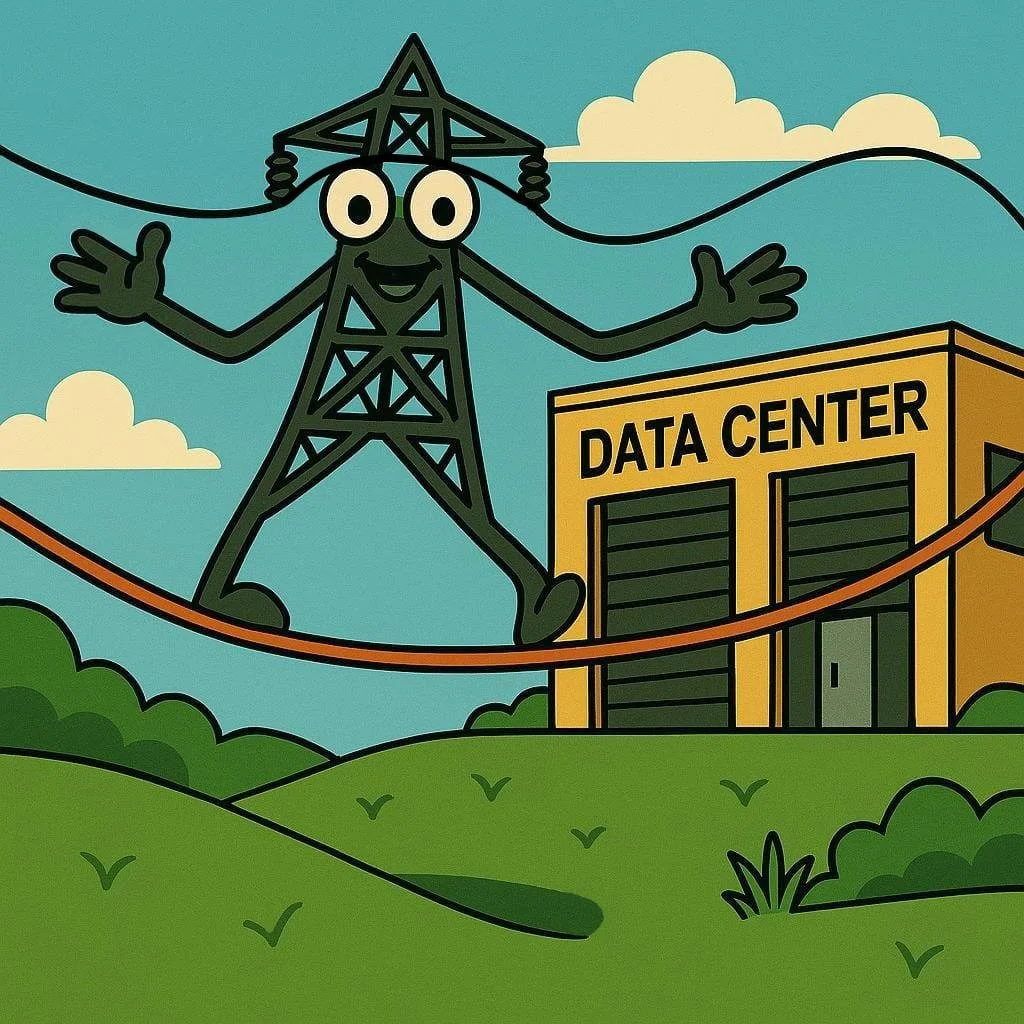
This balancing problem becomes harder because electricity is increasingly produced by many smaller local sources instead of only a few large power plants. Future grids are therefore more distributed and harder to manage from one central control room. One way to handle this growing complexity is local coordination. In practice, this could mean that batteries, solar panels, and electric cars adjust their behavior based on nearby information to help keep the grid balanced.
My master’s thesis focuses on a key question behind this local coordination: If each part of the grid reacts only to what happens nearby, can we still be confident that the whole grid will behave reliably? To study this, I train a computer model to search for suitable local reaction rules. This search is guided by mathematical stability tests, which check whether the local reactions can work together across the whole network instead of making grid imbalances worse.
My work contributes to the foundations of reliable control for future power grids. It is currently theoretical and verified in simulation, but methods like this could help future engineers design grids that use more renewable energy while remaining robust, scalable, and reliable.
Text by Marius Baumann; illustration generated with ChatGPT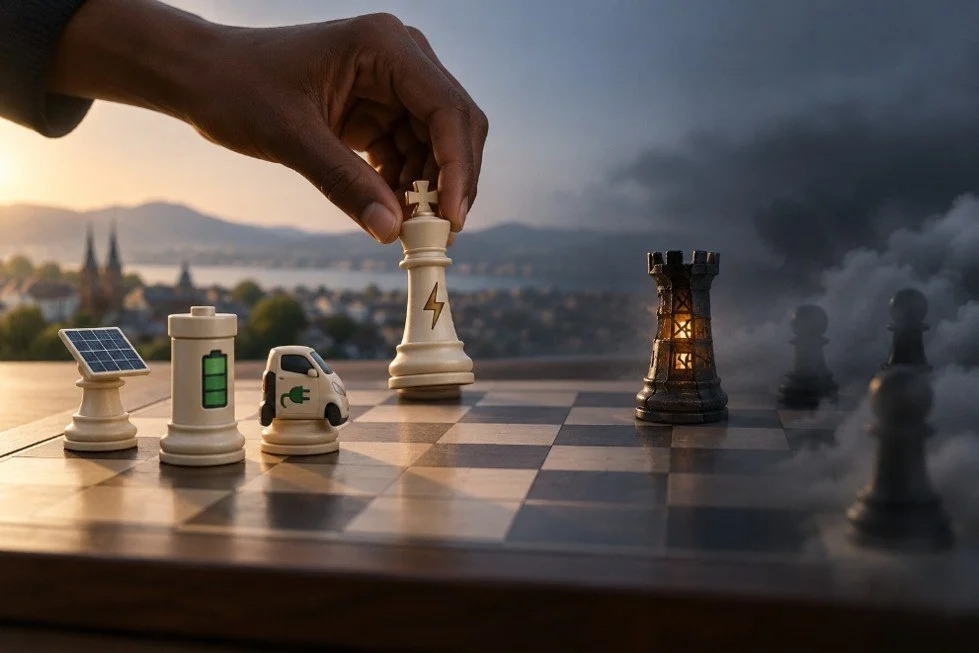




How local reactions can help future grids stay in balance - by Marius Baumann