
What if all goes wrong?
Planning around an unreliable grid - by Timothy Asare
A power cut is quiet and abrupt. One moment you have electricity to work on a patient in an operating room, watch TV or complete a lecture. In the next moment, everything stops.
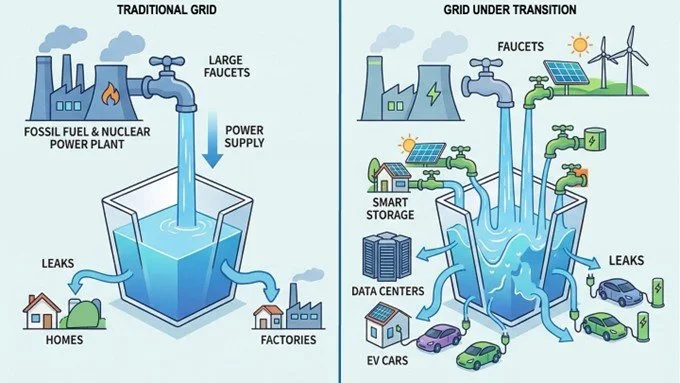
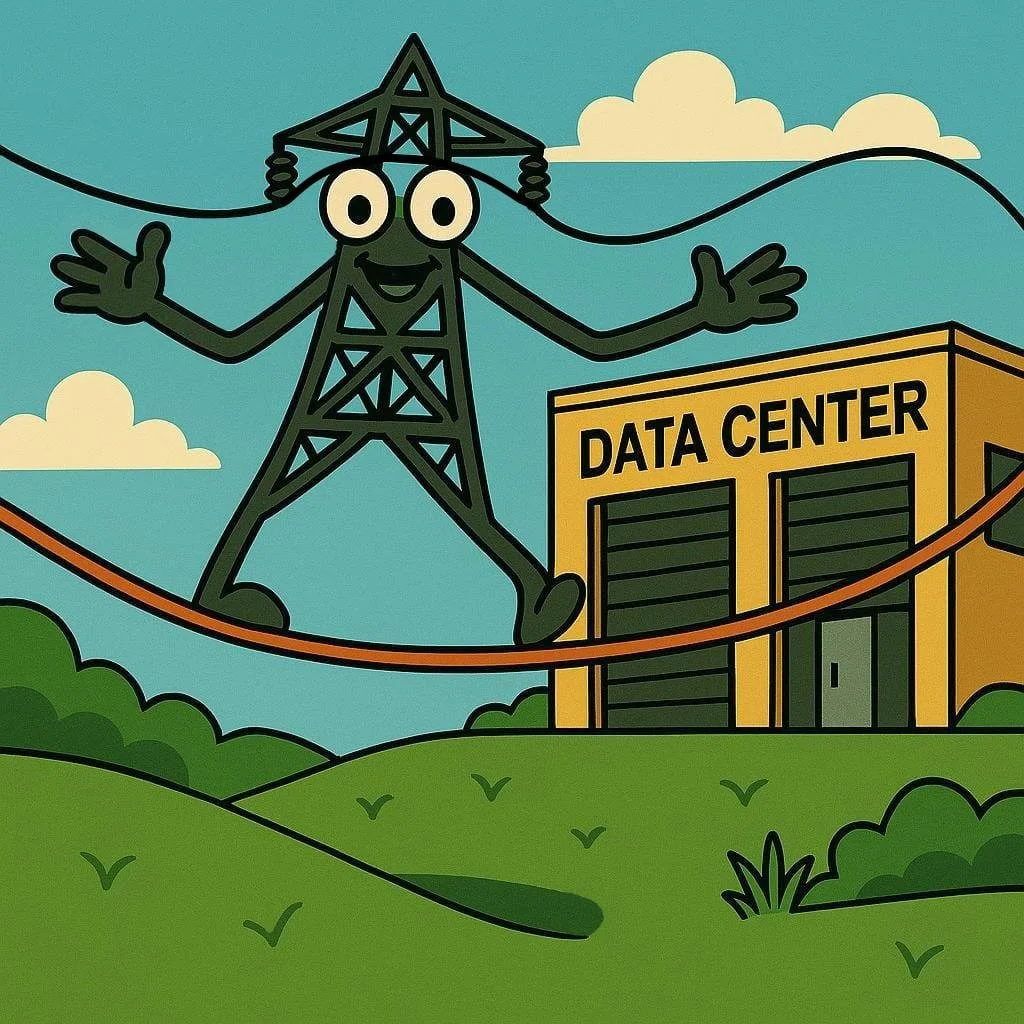
In Zürich this is a thought experiment. For over a billion people worldwide it is just Tuesday. The grid goes, the diesel generator starts, and everyone waits. It works. It is also loud, polluting, and expensive in a way that compounds over years. The cleaner alternative is solar panels paired with batteries: generate your own power, reduce what you take from a grid you cannot trust. Solar panels produce power on their schedule, not ours. Batteries degrade every time we use them and are expensive to replace. The grid itself is not simply "on" or "off”, it flickers and sometimes returns for an hour and then leaves again, almost mockingly. And then there is a new character entering the stage: the electric vehicle (EV). A campus shuttle or company car rolls in with a battery that needs charging or could be used to power the building it is parked next to. But only if we know how much energy it has, and when it needs to leave.
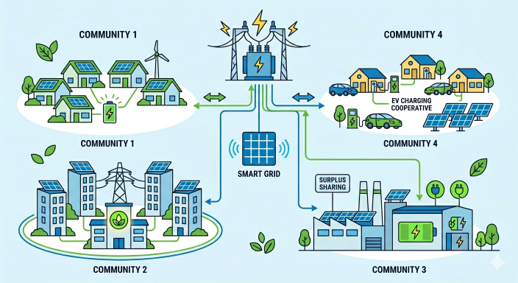
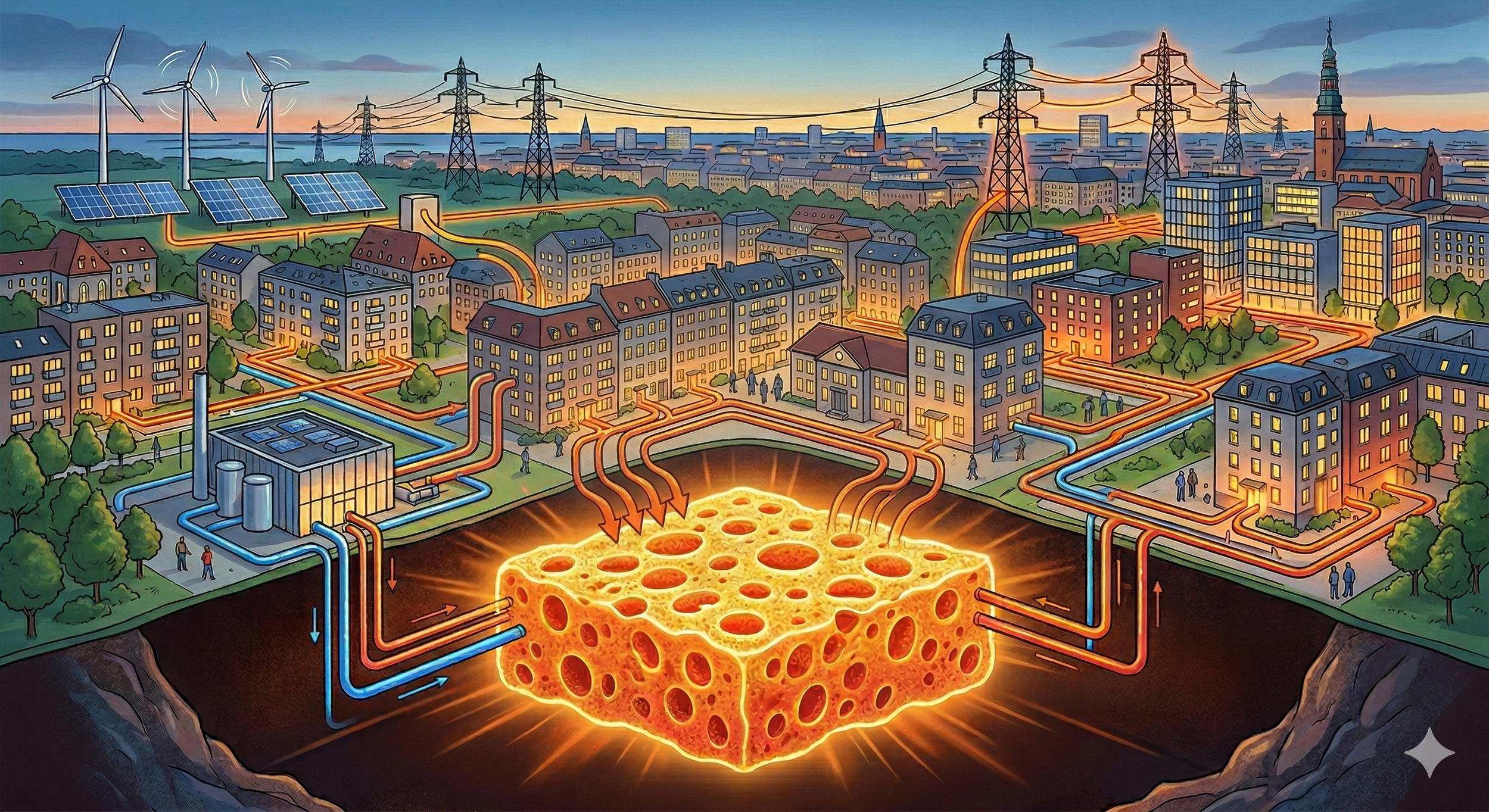
Making sure energy is available when it is needed, while coordinating solar, batteries, EVs and a grid that may or may not show up, is the problem we are trying to solve. The setting is what engineers call an energy hub: any site where multiple energy sources and energy needs meet. The question is: how do you use what you have, as well as possible, when you can't be sure what tomorrow or the next hour brings?
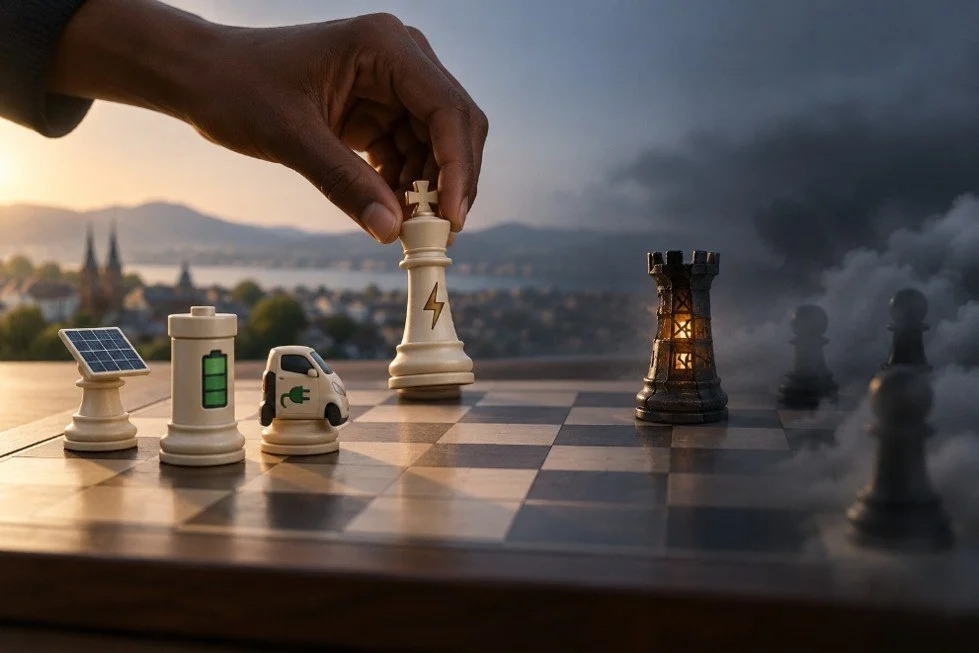
The approaches we work with share a simple idea: make the best decision we can with what we know now, then adapt as new information arrives. One of them plans ahead the way a chess player does, except some of the pieces are hidden and the board keeps changing.
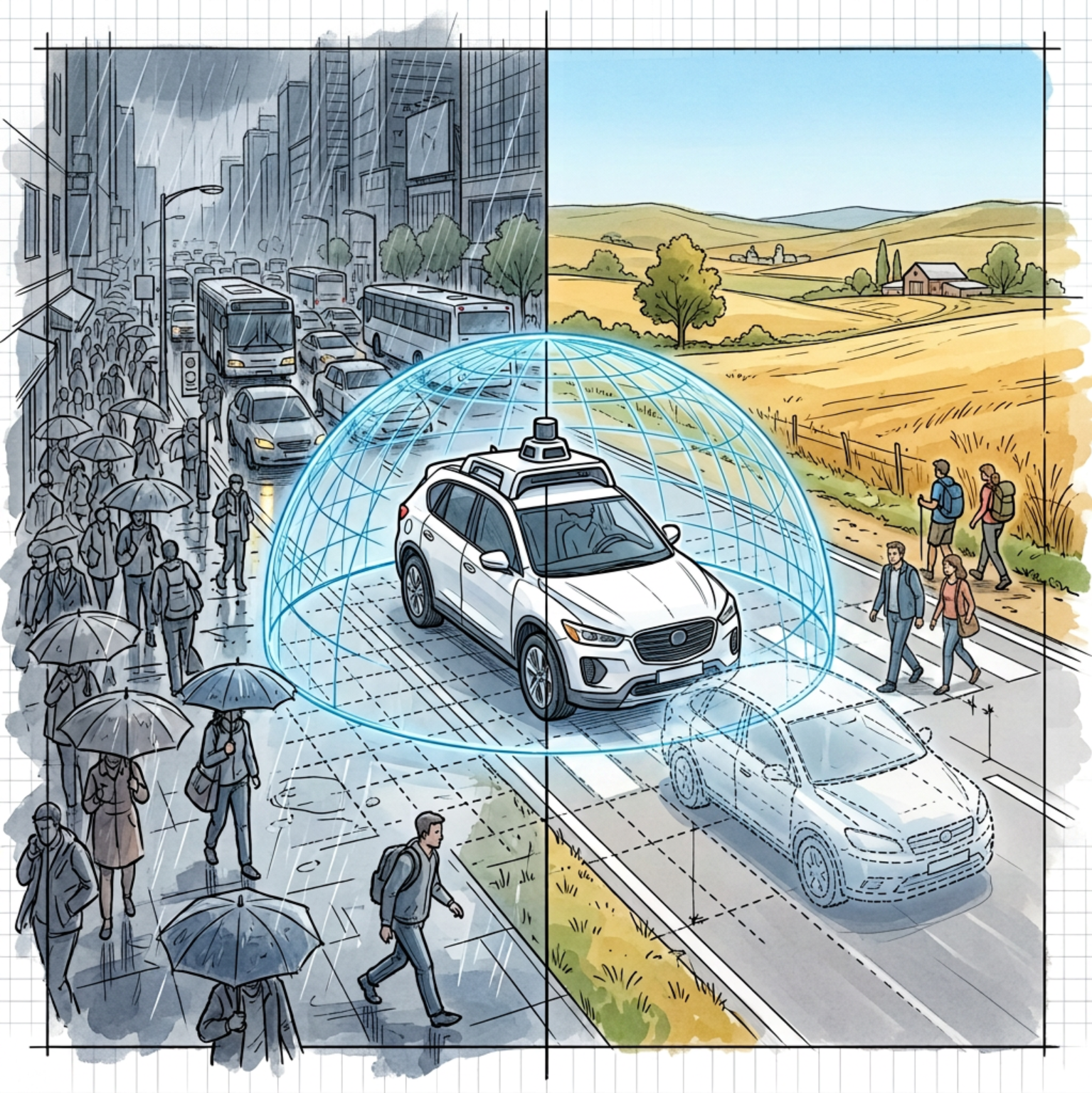
Every few minutes, it reads fresh data and replans. A cloud comes in; the plan adjusts. The grid returns unexpectedly; the plan adjusts. It does not need certainty. It is built for the absence of it.
Weak grids are not rare. They are the daily reality for over a billion people. The hardware is getting cheaper and more EVs are already arriving. The winning strategy is not to wish for certainty or infinite resources, but to coordinate what we have and continuously adapt.
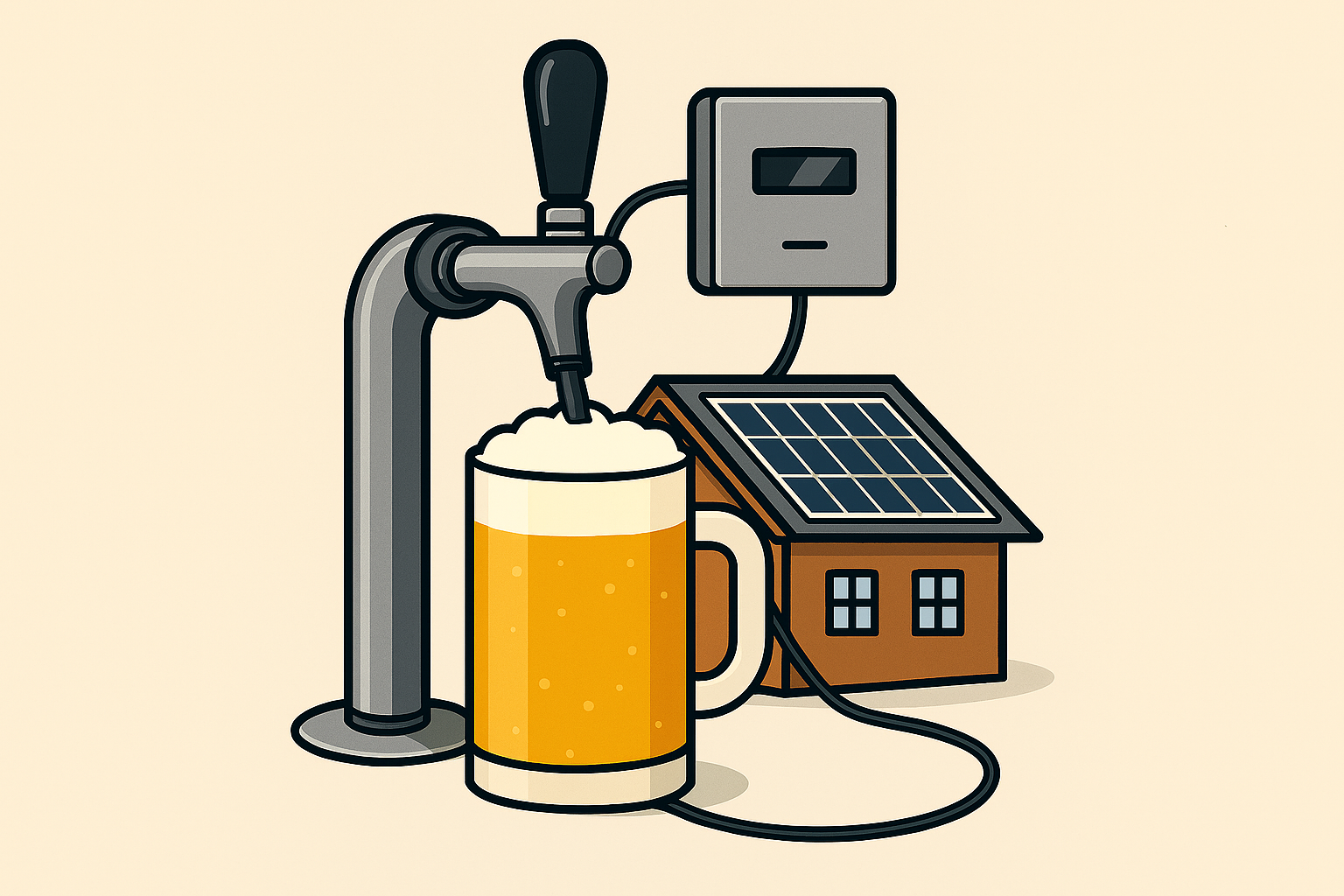
Text by Timothy Asare; illustration generated with ChatGPT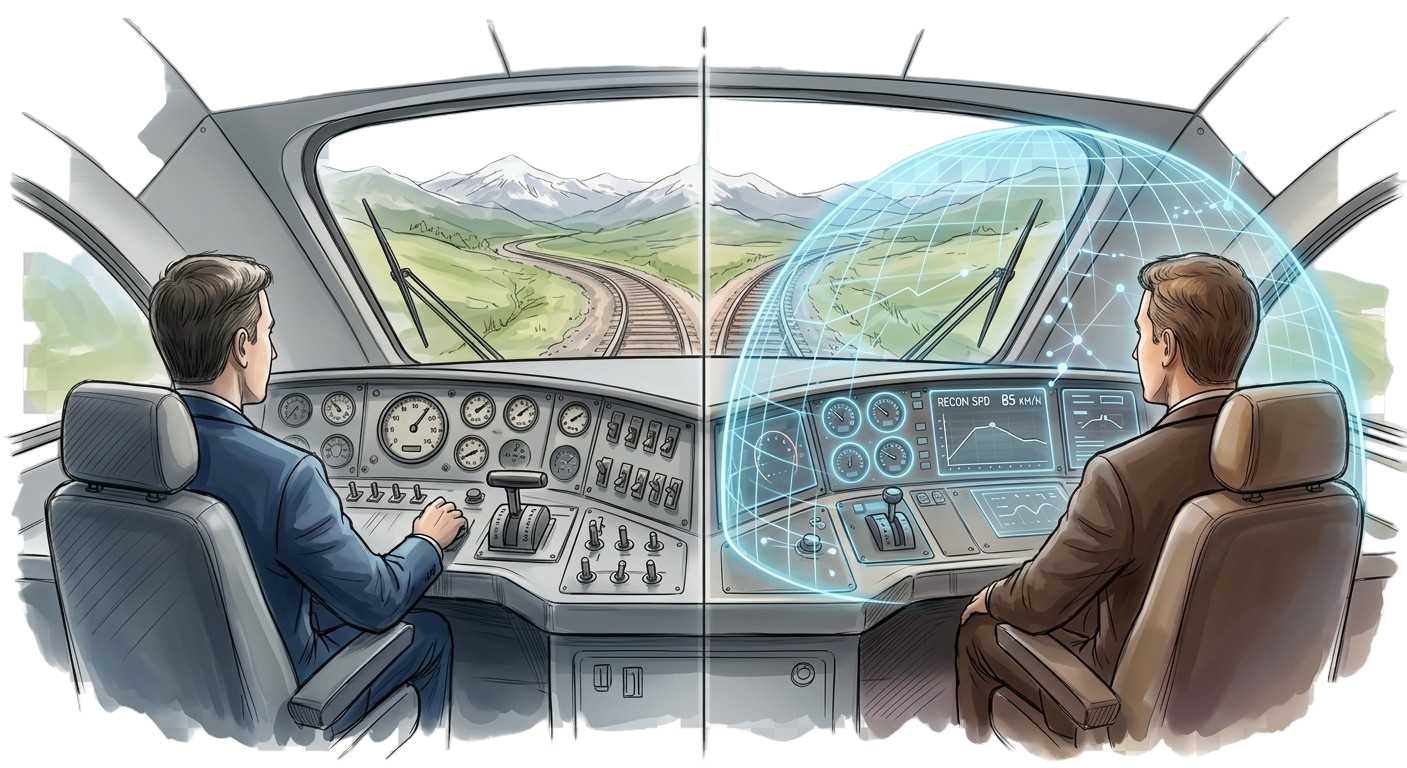




Planning around an unreliable grid - by Timothy Asare