Just throw away the flight manual?
Learning to adjust a control algorithm without giving up what we already know - by Jonas Ohnemus

Imagine you are a passenger flying into unfamiliar, highly turbulent weather. The sky darkens, the aircraft jolts, and the others fall silent. You are scared.
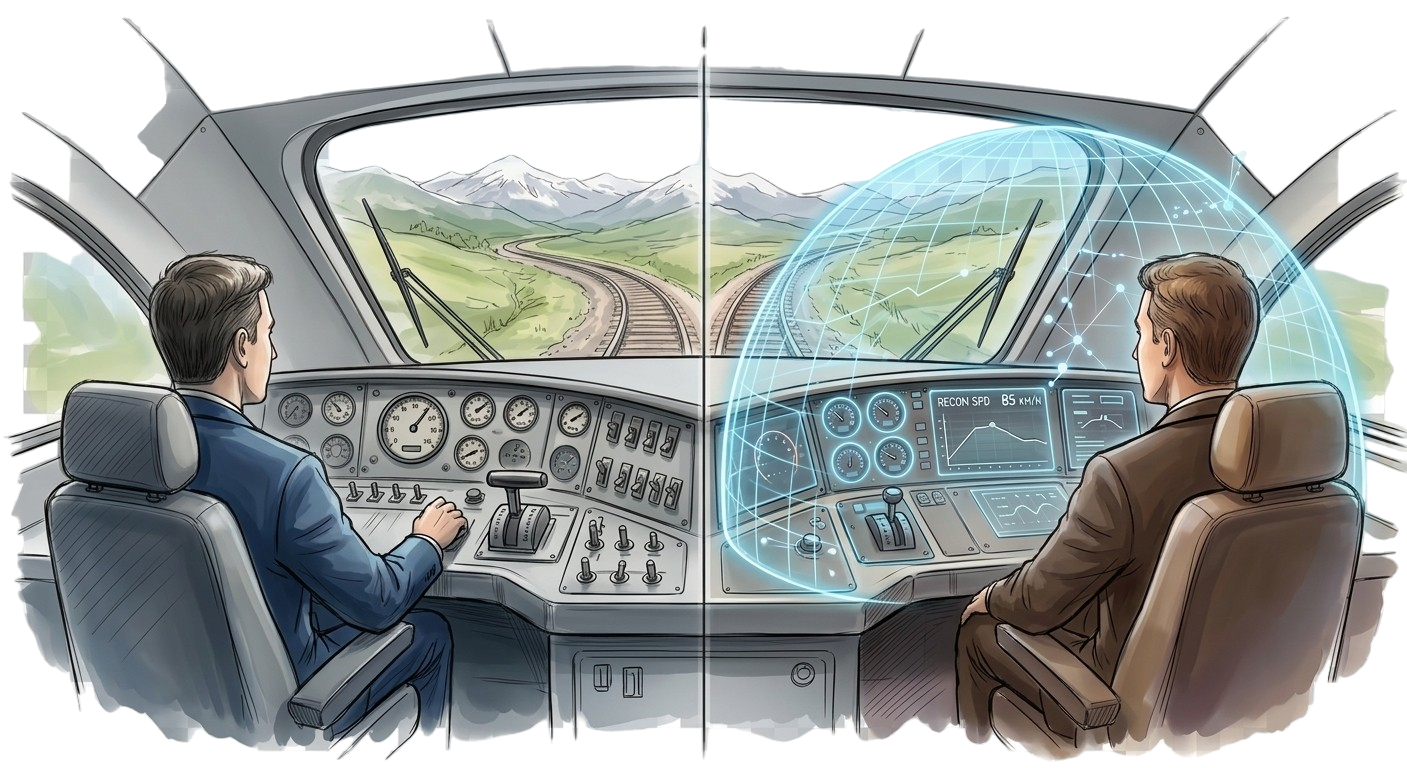
There are two pilots in the cockpit, but only one can take the controls: The first is a brilliant maverick. Having done countless simulator flights, she learned through repeating what worked and changing what failed. However, no simulator captures every flight. If reality is too different from her training, she may make a disastrous mistake. And she acts on intuition: she cannot explain herself. The second is a seasoned veteran. She follows a trusted manual built from physics, rules, and safety limits. The manual may instruct her to think ahead, imagine what happens if she climbs or slows down, and pick the best next safe move. You can read it and understand her decisions. But when the aircraft, the weather, or the route changes, it may hold her back.
Which pilot would you want flying the aircraft?
Engineers face the same dilemma: should a machine learn its behavior from simulated experience, or follow instructions we designed? Maybe there is a middle ground.
The veteran keeps the controls. The maverick never touches them, but she can adapt the flight manual that the veteran uses before the flight and sometimes during it. However, not every page can be edited. The safety-critical ones are printed in permanent ink, so the veteran can never go unsafe. Other pages have blanks, each with a predefined permitted range: how smoothly to fly, how hard to fight turbulence, how much margin to leave before flight limits. Those blanks are the maverick’s to fill.
Each filled-in manual gets a score: high for smooth, efficient, stable flight; low for wasted energy, sluggish reactions, or a close call with danger. The maverick edits the blanks, watches the score, and uses that feedback for her next edit.
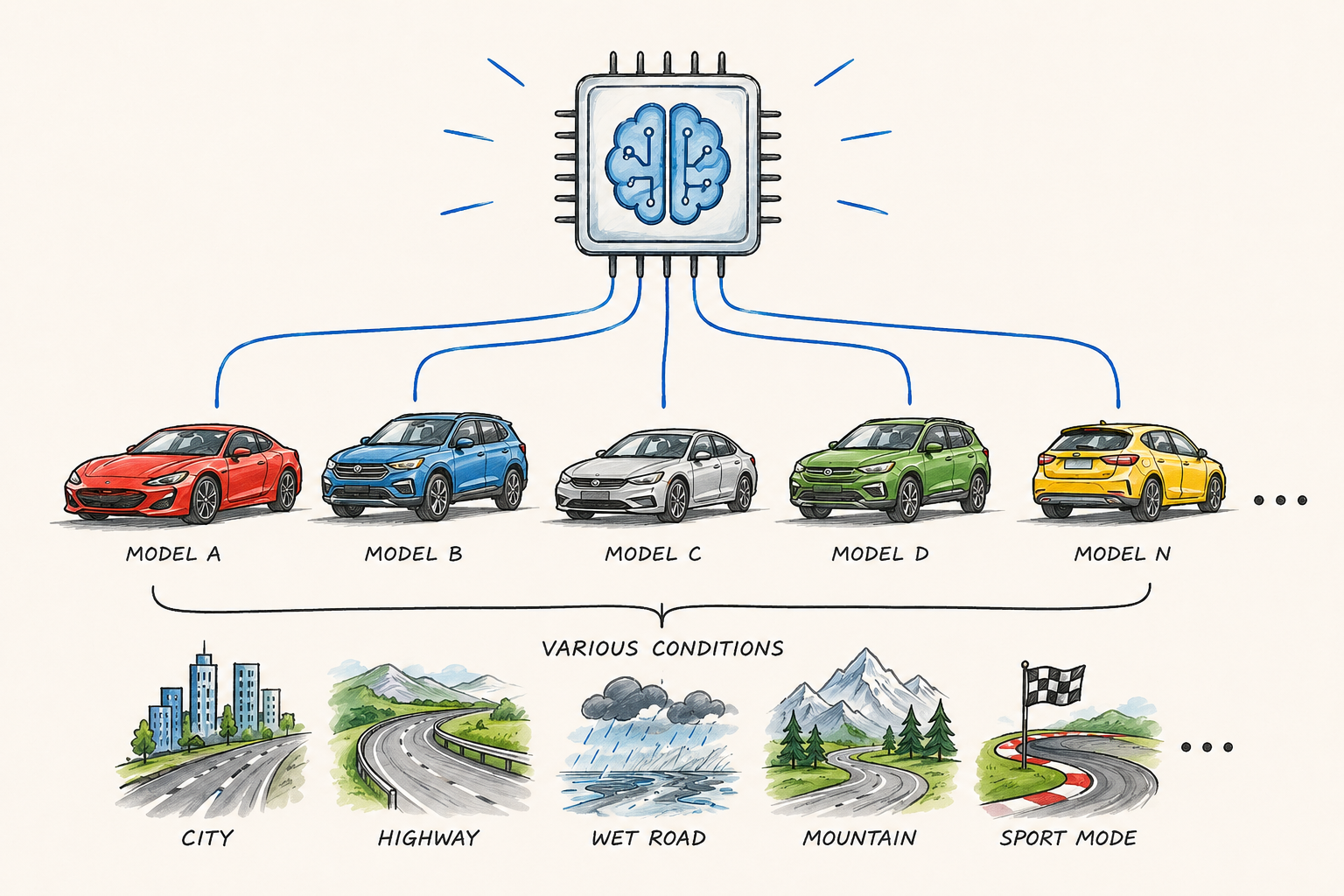
The manual gives her a head start: engineers have already ruled out the bad options, so she never has to learn how to fly from scratch. This means far fewer training flights and not having to study a new manual for every aircraft. The hard part is choosing which blanks to leave open, and how far to open them.
In automation terms, the veteran is a controller built from engineering knowledge. The maverick is a learning algorithm that tunes it. The veteran gets the machine safely into operation, while the maverick fills in what no engineer knows in advance: how a motor has aged, how a room actually warms. Safety comes from what stays fixed; performance from what does not.
So, should we just throw away the flight manual? No. We do not hand the maverick the controls. We hand her a pencil, and keep the permanent ink where it matters.
Text by Jonas Ohnemus; illustration generated with Gemini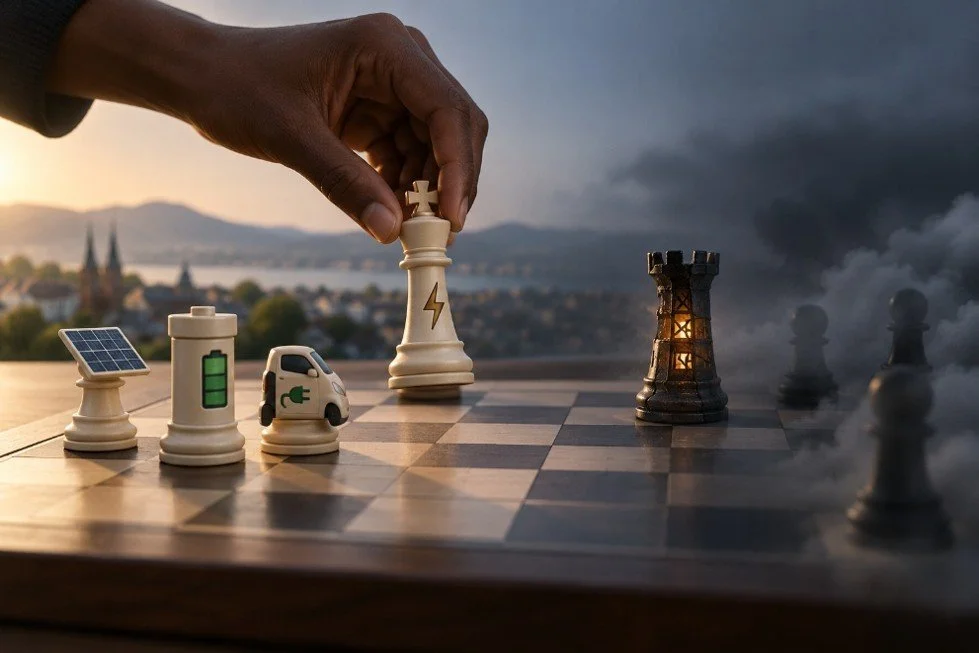



How local reactions can help future grids stay in balance - by Marius Baumann