
Should you trade with your neighbour?
Cooperative game theory for energy sharing in energy communities - by Saurabh Vaishampayan
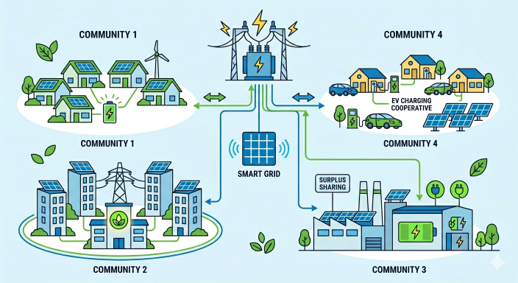
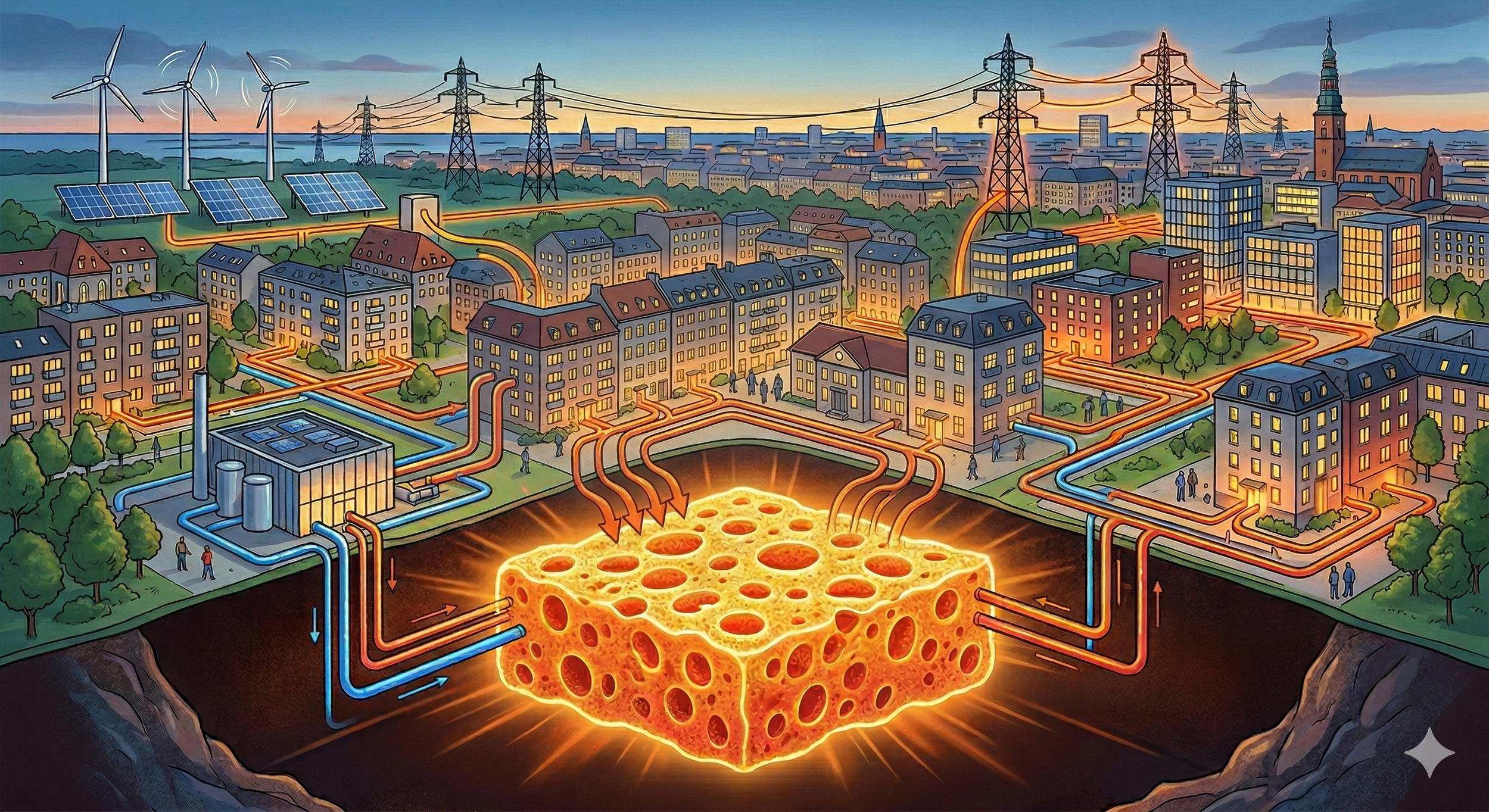
Imagine a world where everyone has solar panels, electric vehicles, wind turbines and batteries. Would you share your electricity with your neighbour? Your municipality? Who would you trade with and who would you not?
This may seem like a hypothetical question, but many countries have recently passed new energy laws that give prosumers (short for producers+consumers), the freedom to form their own energy communities and trade energy with each other. These prosumers could be households, supermarkets, schools, offices or even small industries. The energy communities they can form can range anywhere from a small neighbourhood to the entire municipal grid.
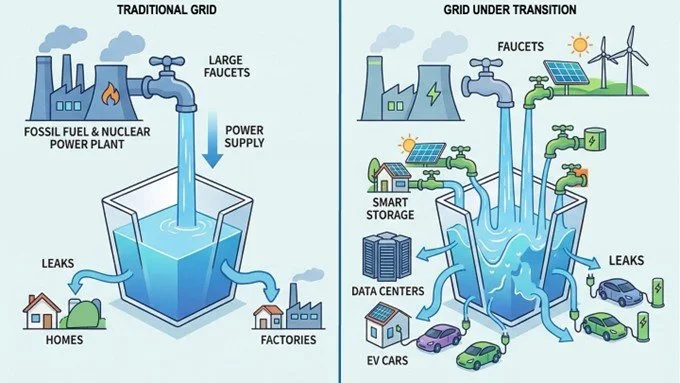
For the prosumers themselves, this new freedom may sound like a great deal. But just think about your city's grid operator, who manages the power grid: the transformers, switches, the power lines. To operate the grid in a safe manner, the operator needs to predict which energy communities are likely to be formed by prosumers in the grid.
How to predict which energy communities are likely to be formed by prosumers? Let's go back in time to school to do a group project. How would you form the best possible group? One way is this. You look at the list of possible students. If adding a student gives benefits to the group, you include them. If you think the student may interact in a negative manner, you exclude them. After forming the group, if the group can agree on a cost/benefit division among themselves, then the group will be formed. If some students think they are not getting a fair deal, they will leave for a different group. This simple example can be generalized to any problem involving groups of stakeholders and can be studied mathematically using a field of economics called cooperative game theory.
A similar story applies to energy communities. The benefit of adding more prosumers to your community could involve decreased average costs from resource sharing, as well as smoothing out electricity demand spikes for the group by internally trading energy. On the other hand, the cost for adding more prosumers include needing more coordination among members, as well as risk of power line overloading if too many prosumers excessively use the grid to trade with each other.
We can now just apply the earlier story of the school group project onto power grids. By integrating cooperative game theory with electrical engineering, the grid operator now has a way to predict which energy communities can be expected to be formed by prosumers.
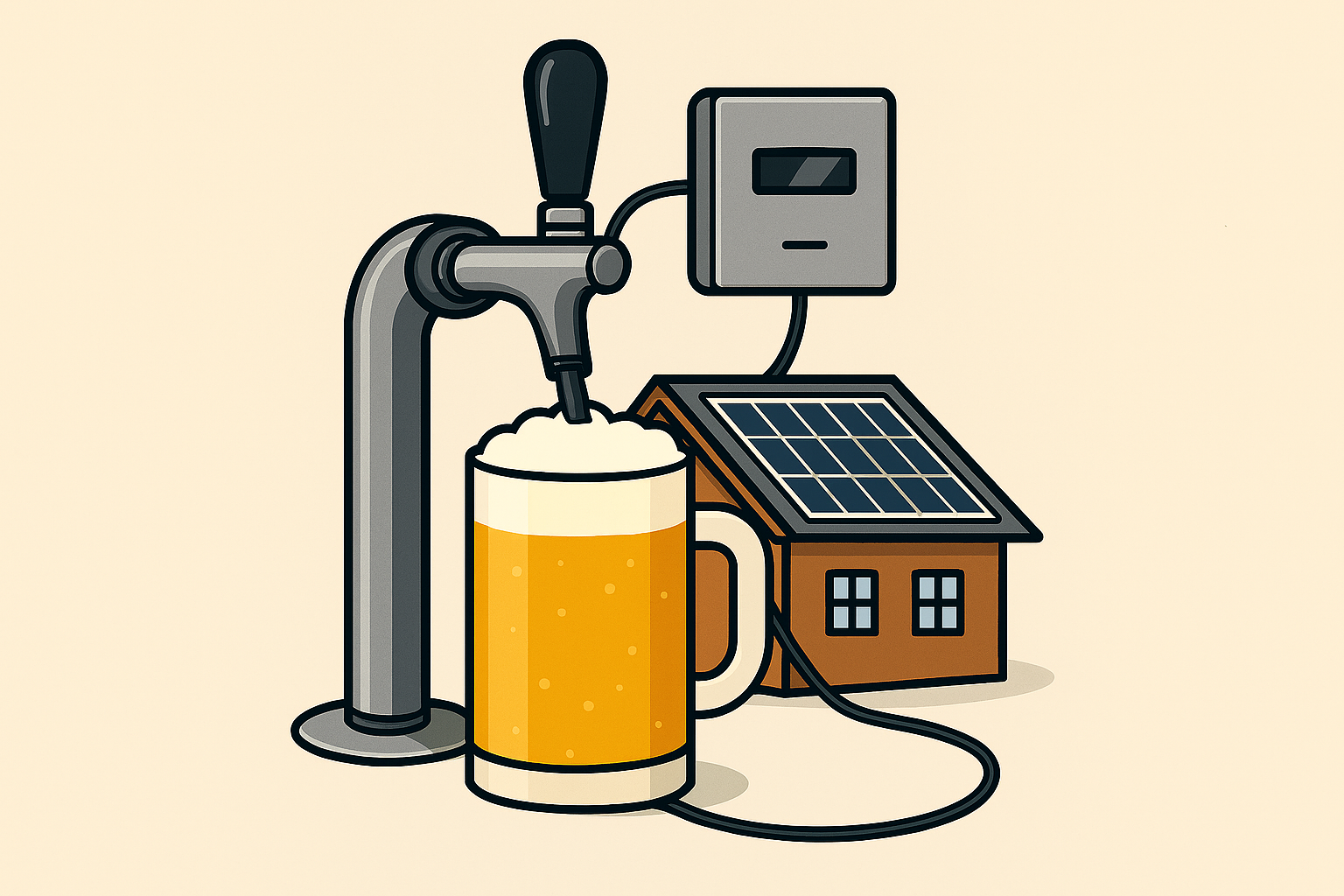
Text by Saurabh Vaishampayan; illustration generated with gemini


Guaranteed safety even in uncertain environments - by Jair Reyes Gutierrez